织 · Weaving
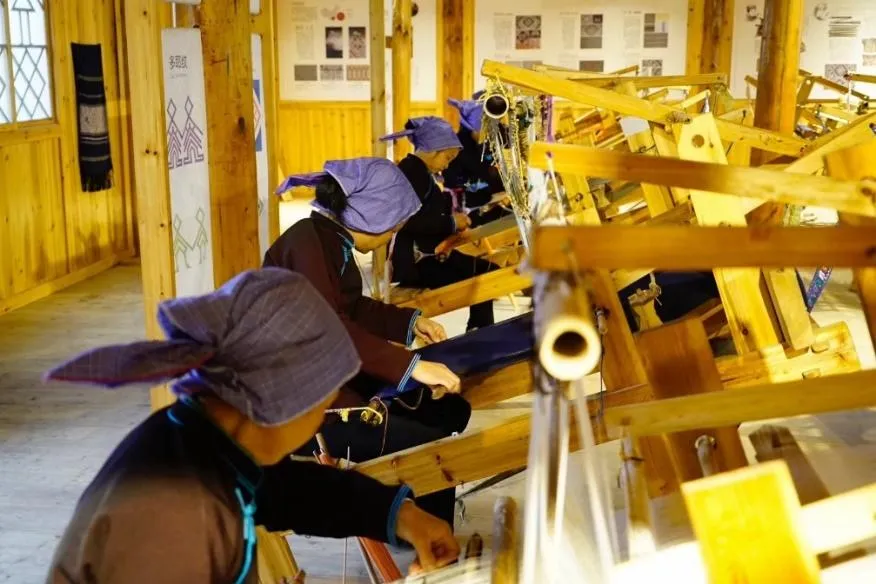
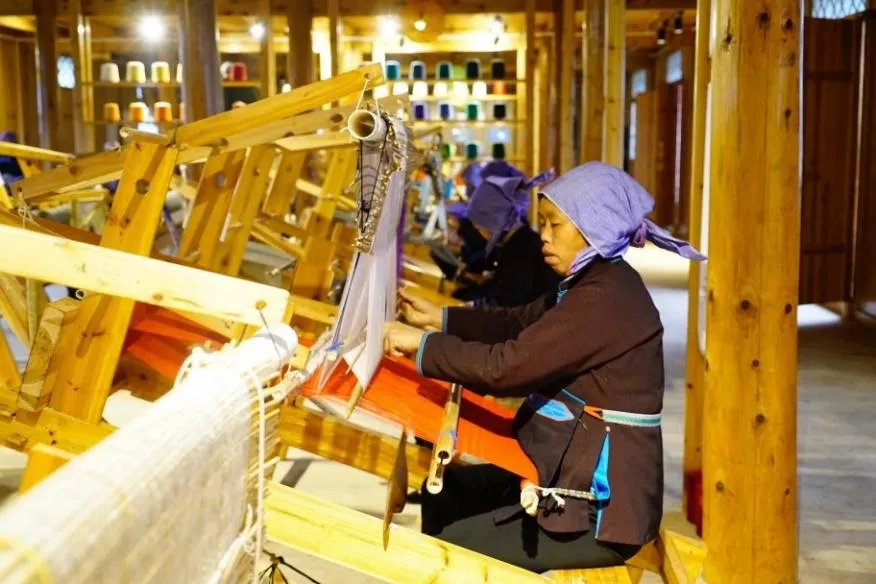
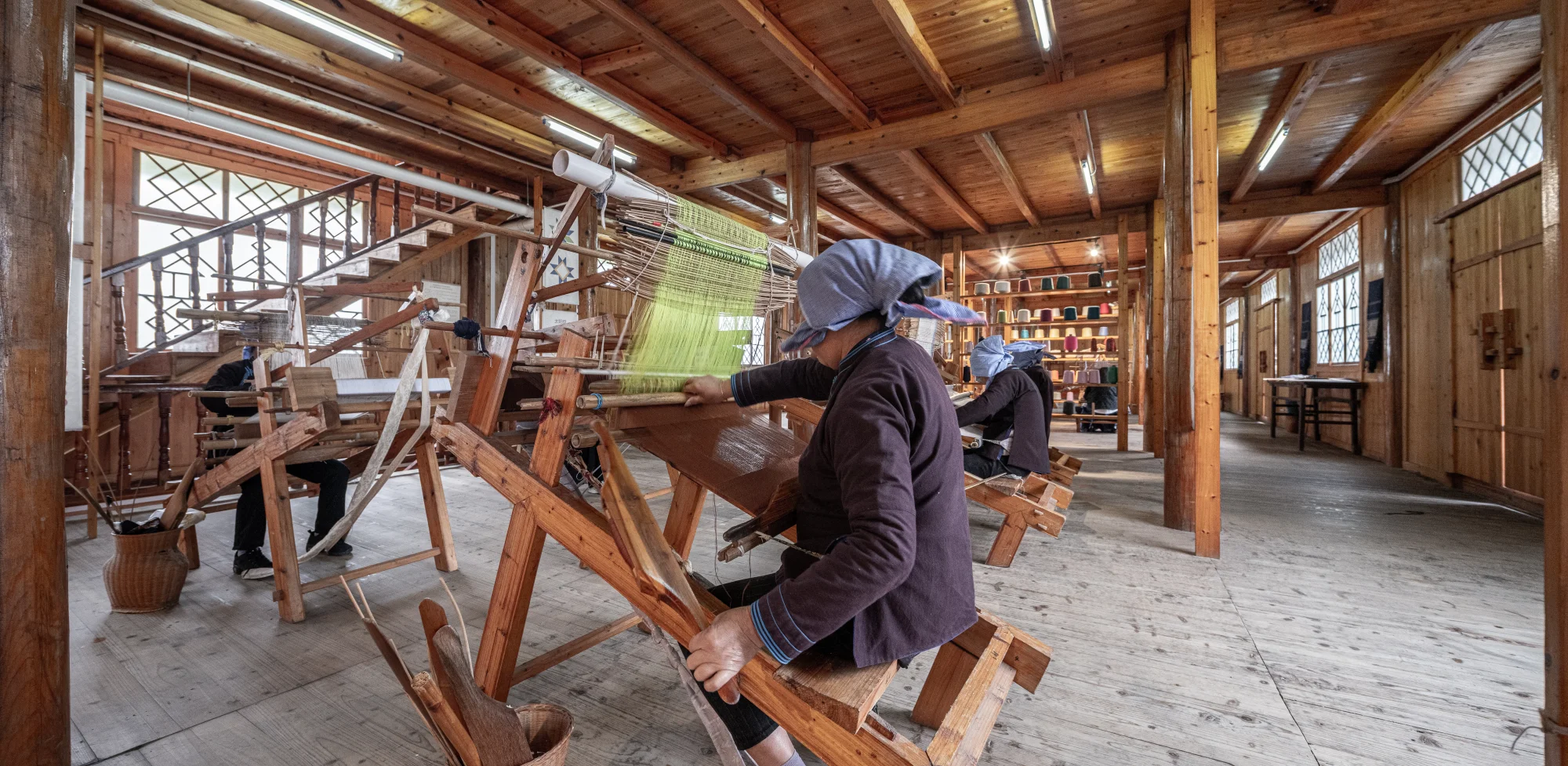
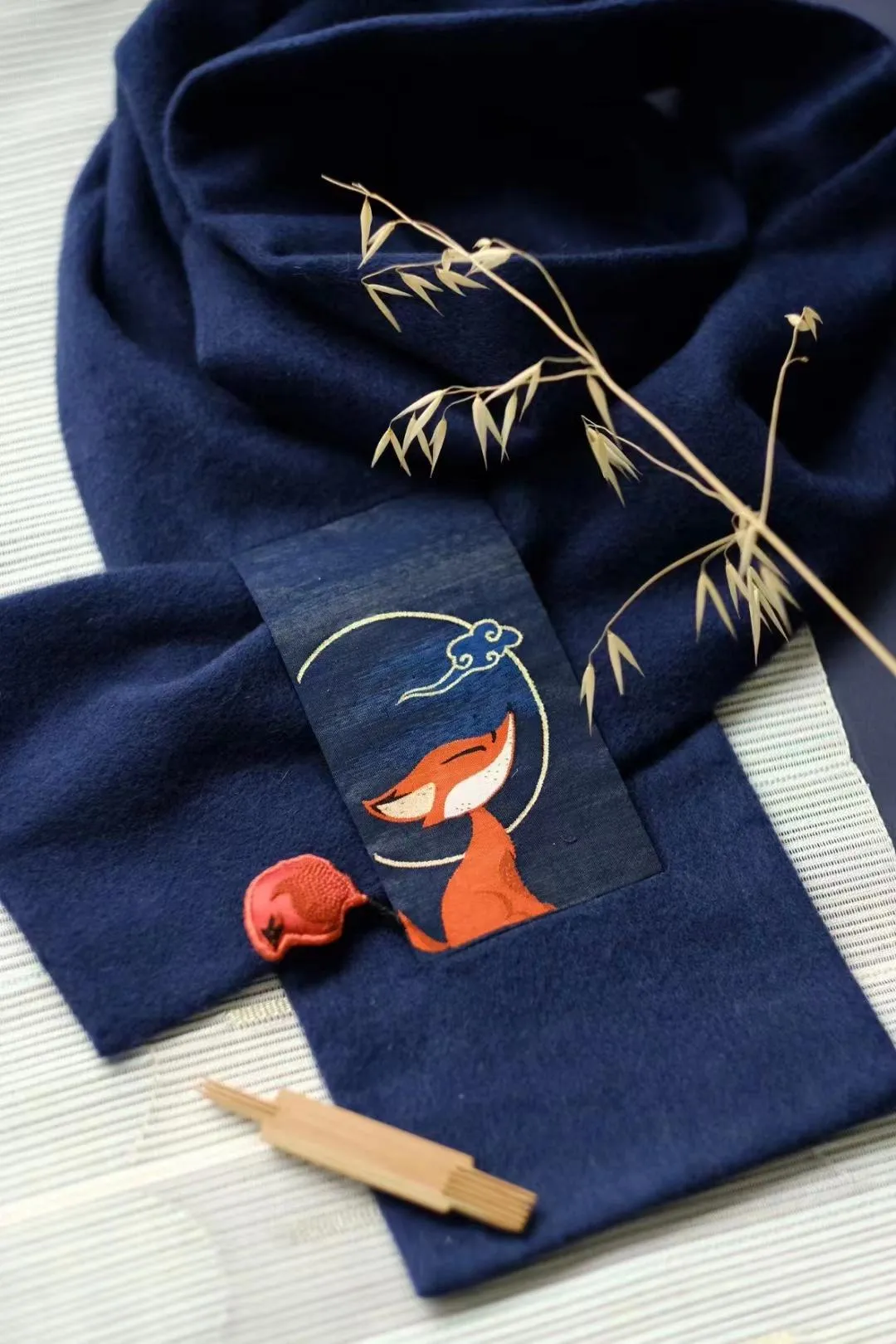
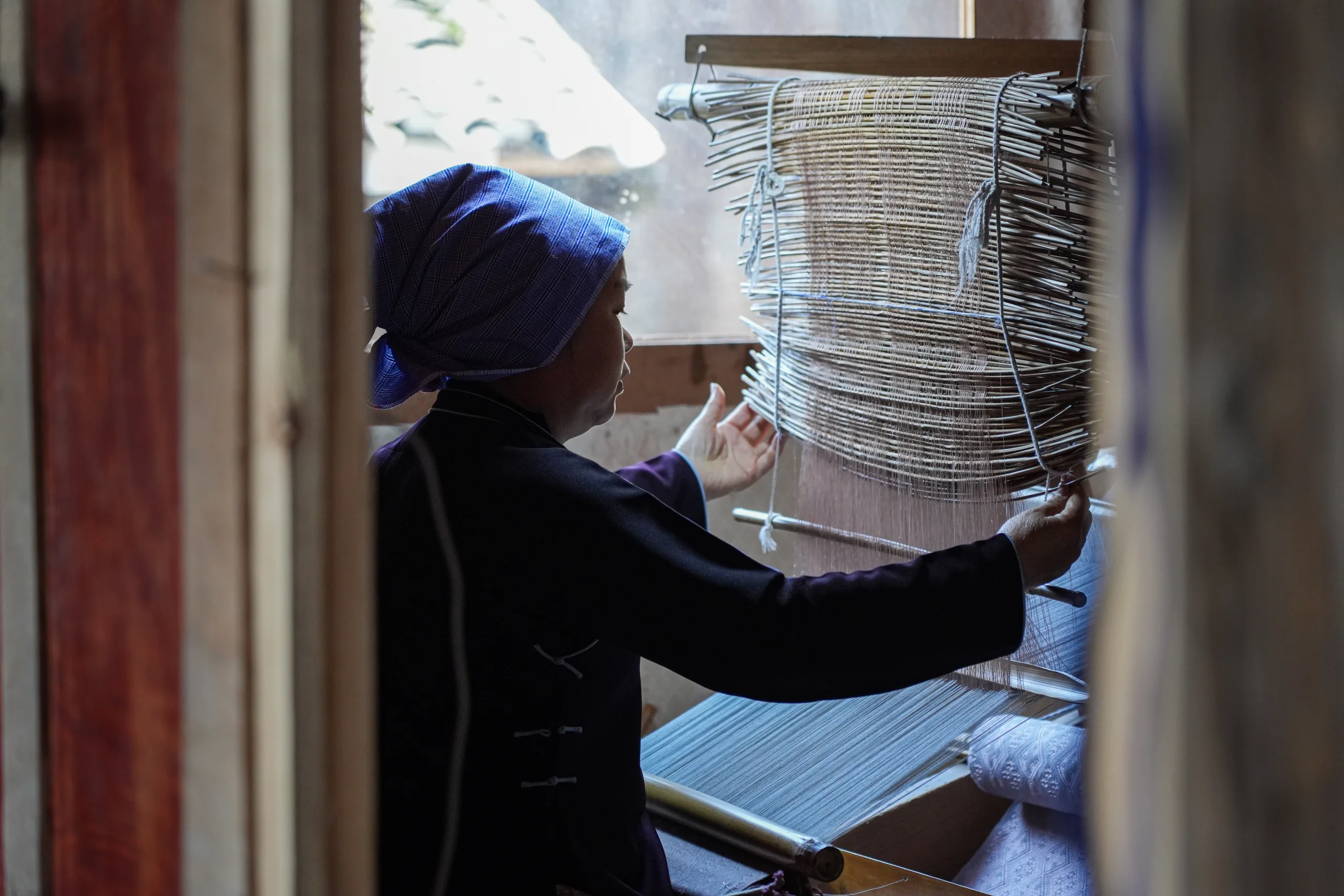
从湖南通道的侗锦到西藏的氆氇,从贵州毛南族土布到江西夏布。匠人们自己种棉纺线,在古老的木织机上,编织着传承了千百年的古老几何图腾。
使用是最好的传承
让传统手工艺重返现代生活
To use is the truest form of inheritance.
几千年来,中国少数民族将他们的故事、信仰与期盼织入布匹、染入丝线、绣在衣衫上。这不仅是装饰,更是他们的语言、身份和生存方式。
然而,如同全球众多古老文化遗产所共同面临的困境一样,工业化机器生产和生活方式的巨变,正让这些手工艺面临前所未有的生存危机。以哈萨克族为例,过去牧民们住在毡房里,热爱自由的他们有充足的时间和动力去做大量的刺绣来装饰毡房;但如今,随着年轻一代逐渐走向城市,住进现代化的楼宇公寓,使用着流水线生产的现代家具,那些精美的刺绣便失去了原有的装饰作用。
缺乏使用场景导致市场份额急剧萎缩,从事传统手工艺的从业者越来越少。当年长的传承人不再制作,千年的技艺便面临永远断代的危险。
* 基于传统手工艺保护相关调研与行业预估
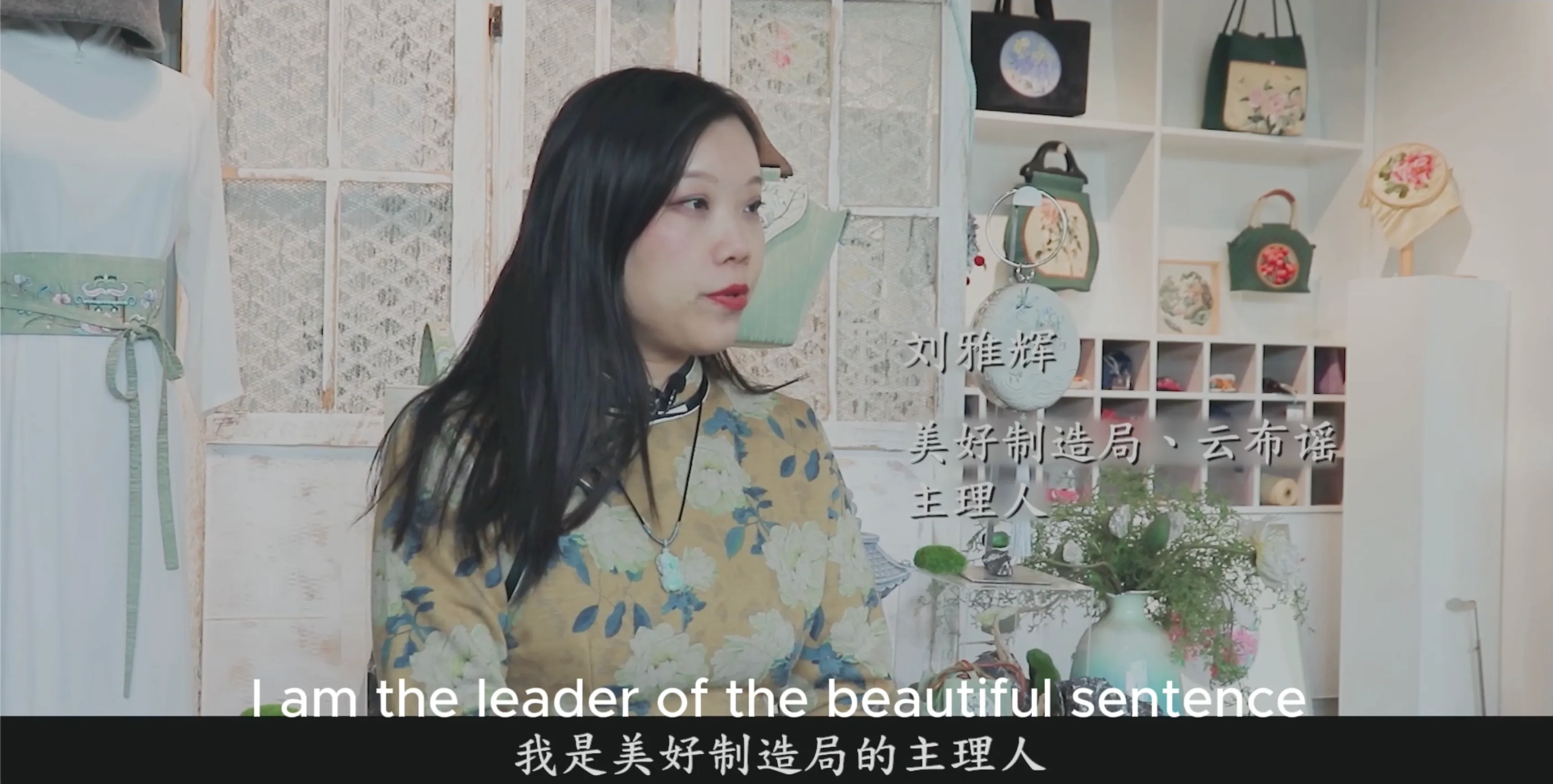
面对手工艺消亡的风险,热爱传统文化的创始人刘雅辉于2016年创立了“云布谣”。她走遍中国各个民族的深山与草原,考察传统工艺,得出了一个坚定的结论:
拯救一项濒危手工艺的唯一方法,就是将它与现代生活元素结合,做出适合现代生活的产品。
不再是孤芳自赏的博物馆陈列,也不再是空洞的宣传口号,而是让产品拥有“被使用的原生价值动力”。一个兼具实用功能与千年美学的包袋,才是对传统工艺最好的保护。
"传统的不能只挂在墙上,市场萎缩得太厉害,需要通过日常使用来真正保护它们。"
自古以来对最顶级、最优质布料的美称。质地极佳,宛如云彩般柔软珍贵。
歌谣、传唱。意味着将这些古老的技艺和文化代代相传,生生不息。
欧洲的传统奢侈品大多源自马术与游牧文化,因此建立在精湛的“皮具”之上;而东方农耕文明最温柔的代表,则是“布”。我们无意在皮具领域去复制西方的标准,而是选择用5000年的东方纺织文明,来讲述属于我们自己的高端美学。
三大核心板块,涵盖15个民族的传统手工技艺,构建完整的东方美学体系。
从湖南通道的侗锦到西藏的氆氇,从贵州毛南族土布到江西夏布。匠人们自己种棉纺线,在古老的木织机上,编织着传承了千百年的古老几何图腾。
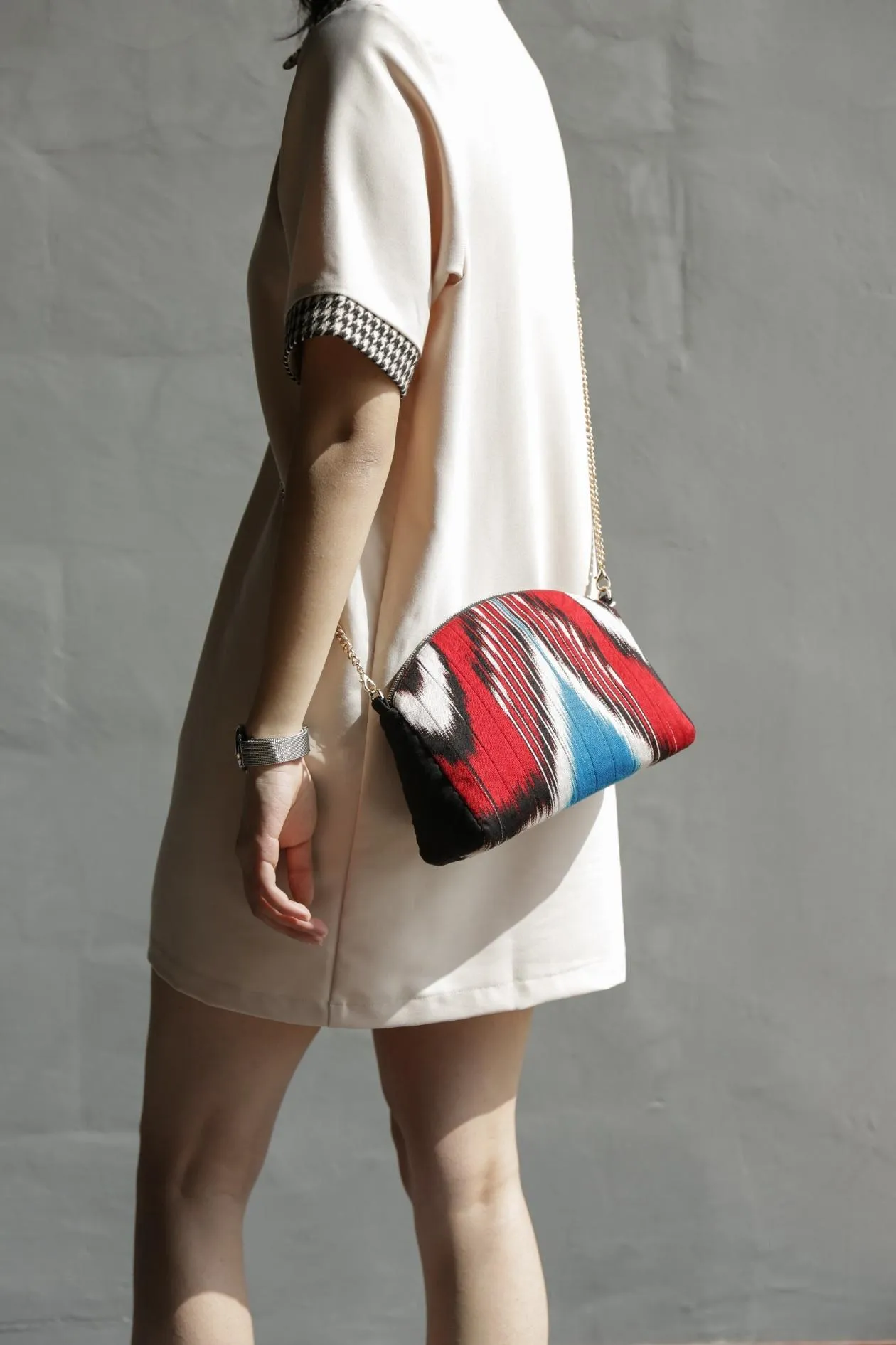
贵州蜡染与板蓝根提取的蓝染,保留了古代中国最容易获取的深邃色彩。新疆的艾德莱斯绸更是将染色技艺发挥到极致——花纹全靠古法扎染而成。
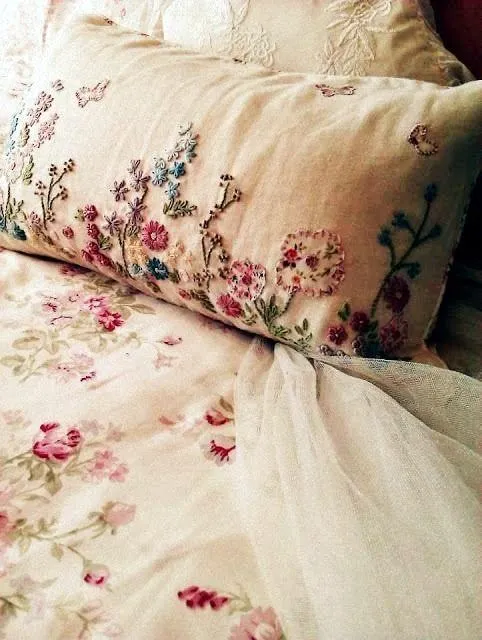
拥有2000多年历史的湘绣,以蚕丝线和“鬅毛针”绝技将动物绣得栩栩如生;而苗绣、羌绣等则多使用棉线,因为日常劳作需要更加耐磨的陪伴。
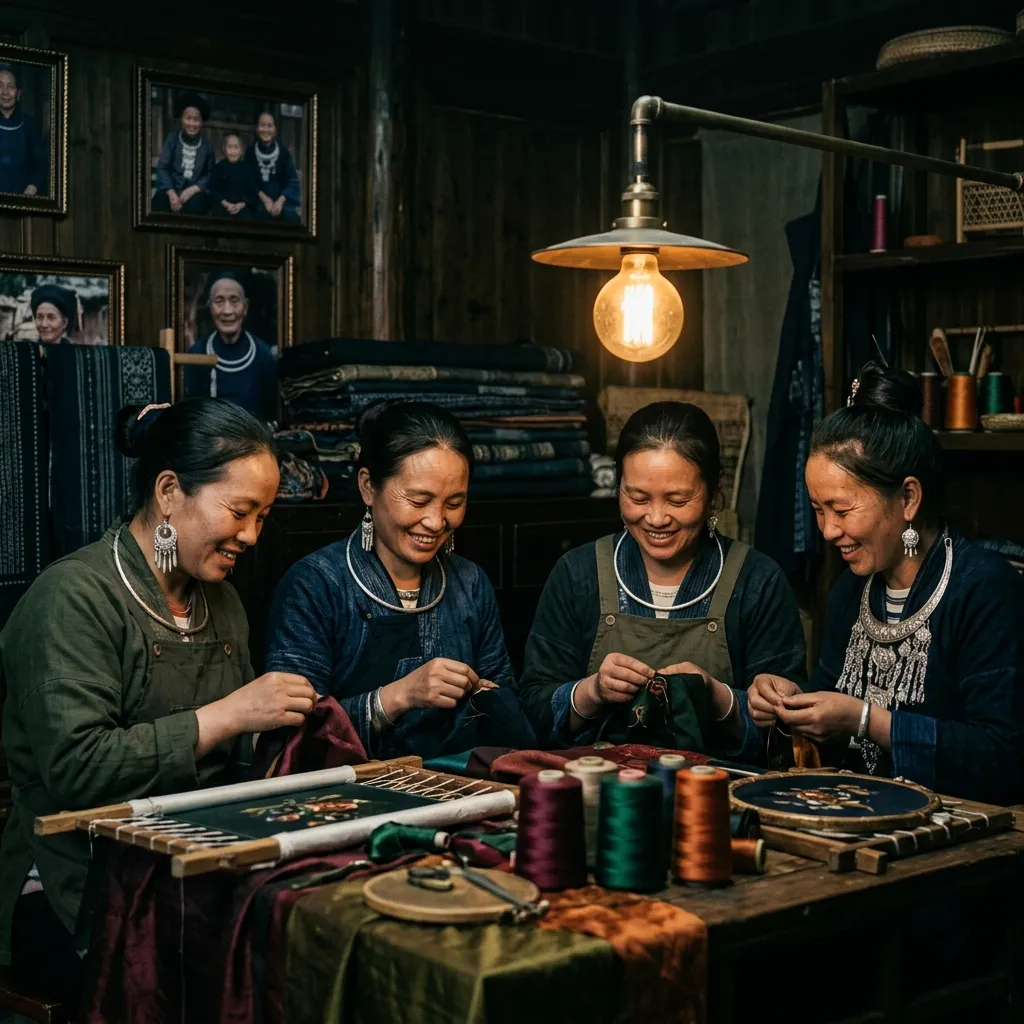
我们不仅是在拯救一门手艺,更是在重塑传统工艺从业者的生活尊严。
传统工艺助残公益子品牌
“大恩不言谢,巧手布言谢”。专为残疾人设立的手工制品子品牌,通过系统化的手工技术培训,让社区残疾人实现灵活就业,用双手创造美的同时重获生活尊严。
关爱自闭症儿童
云布谣特别发起的公益系列。将自闭症儿童充满想象力的画作与色彩,通过传统工艺转化为实体产品,帮助这些“星星的孩子”获得经济支持与社会认同。
用双手重塑生活尊严
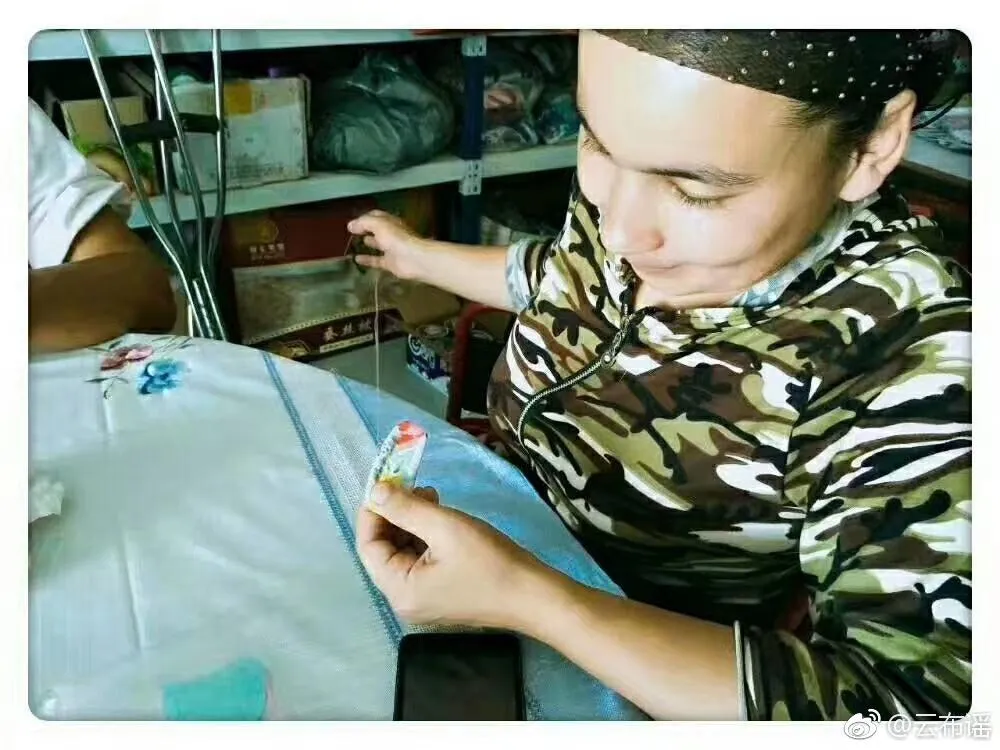
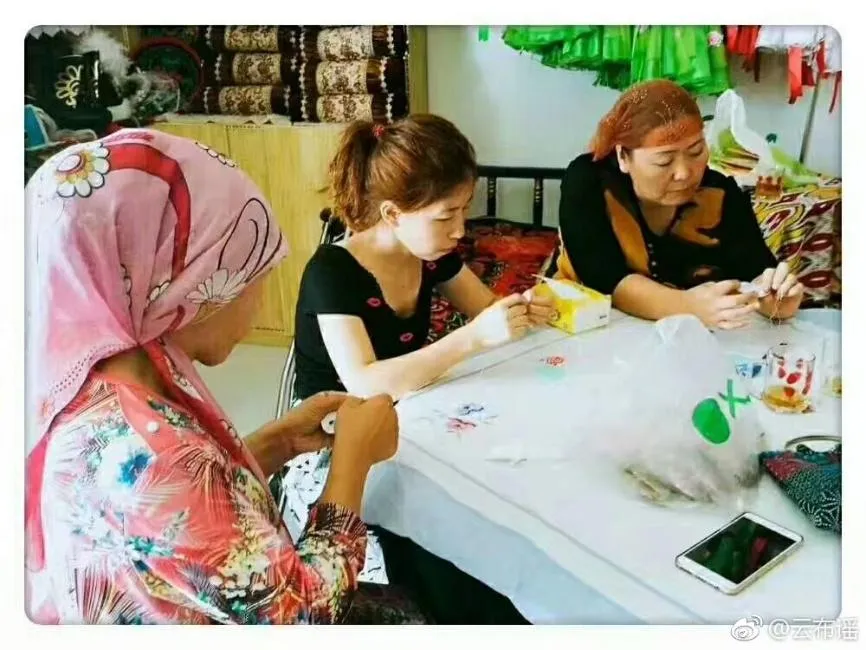
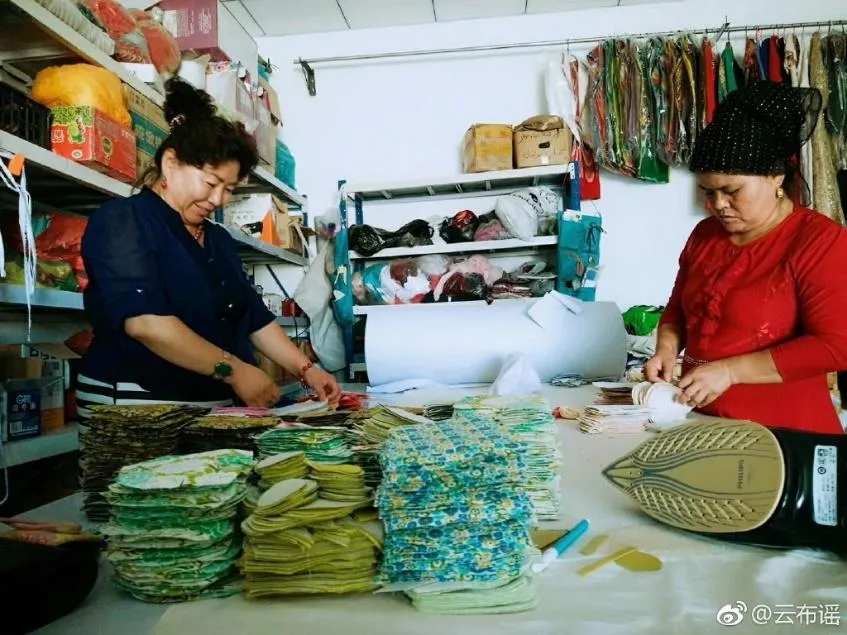
我们深入民族地区,为妇女提供系统的手工包袋制作培训。这不仅帮助她们获得稳定收入,更让绣娘们在照顾家庭的同时,依靠双手实现居家灵活就业。
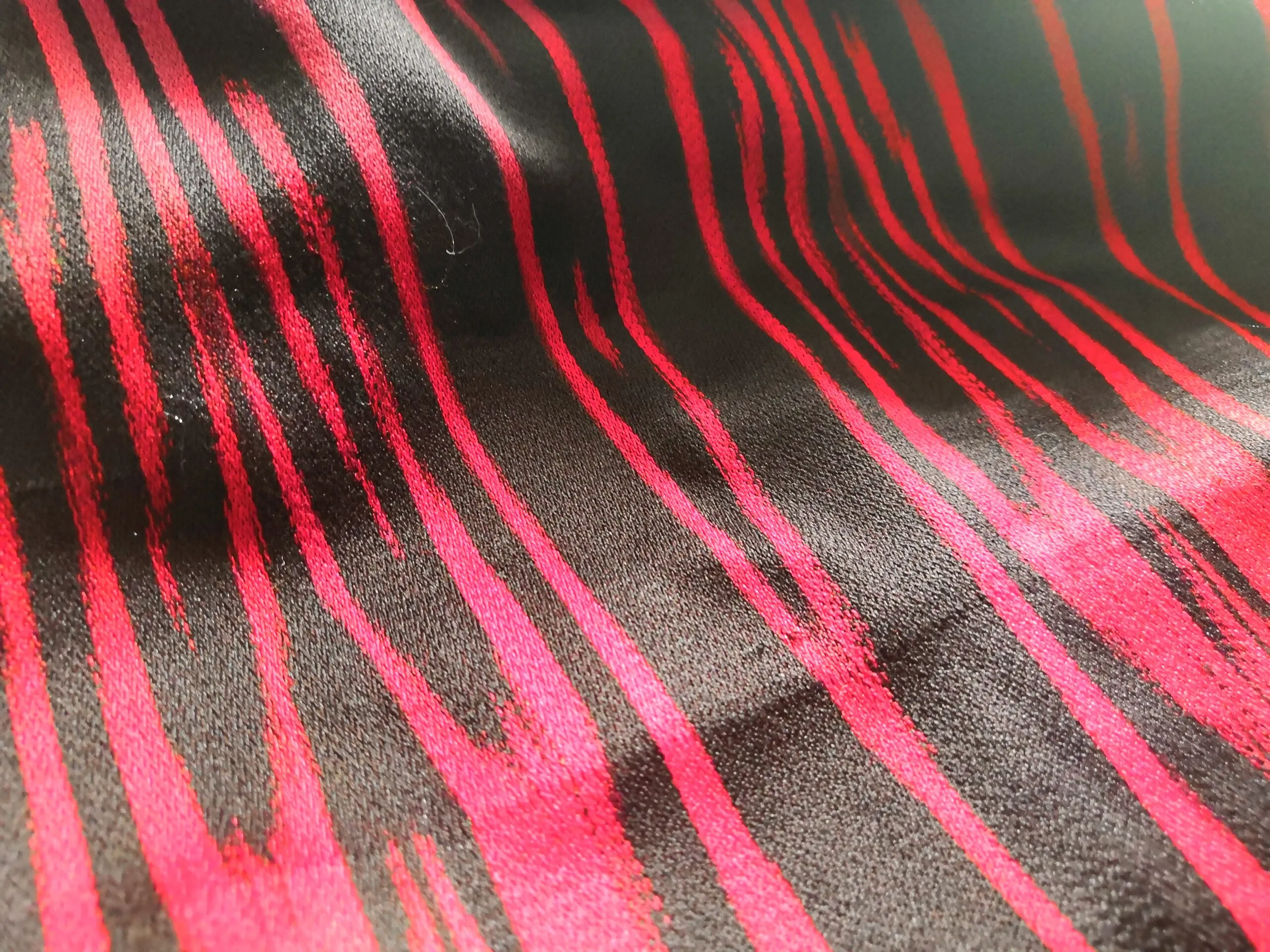
艾德莱斯是新疆最古老的丝绸,距今已有2000多年的历史。在古老的丝绸之路上,新疆的蚕丝和艾德莱斯绸曾一路向西,惊艳了整个西方世界。
艾德莱斯的工艺极其复杂,它最大的特点是花纹全靠手工扎染而成,而非后期印花或织造。维吾尔族匠人们从养桑蚕开始,用极其繁复的手法,将戈壁风沙的粗犷与丝绸的华美融为一体,色彩变幻莫测。
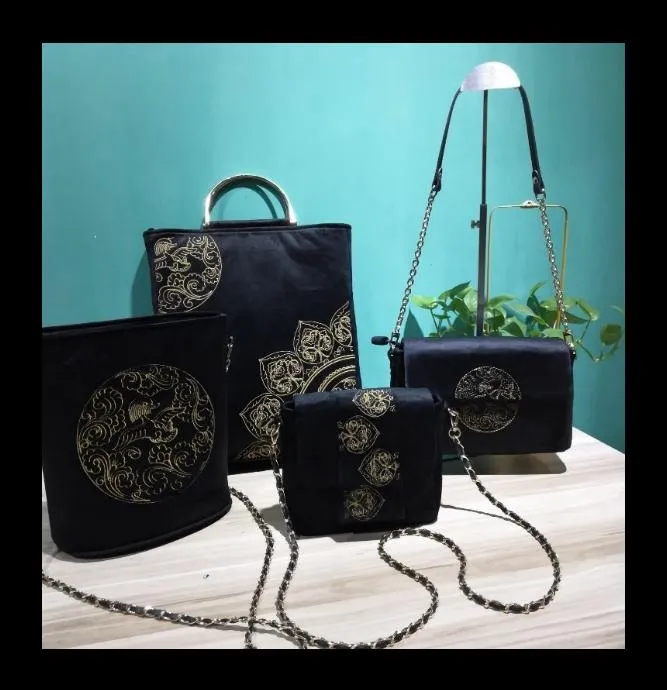
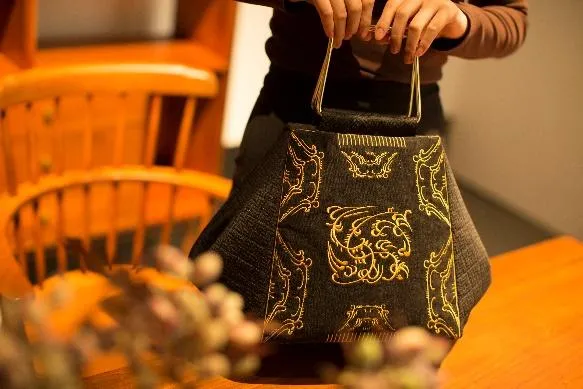
过去,艾德莱斯一直以传统民族服装为主要市场,受众局限。云布谣在吐鲁番成立设计创意中心,为当地手工艺人提供专业的手工技能指导。我们将这2000年的古老面料转化为符合现代审美的奢华手袋,重塑了传统工艺的商业价值。
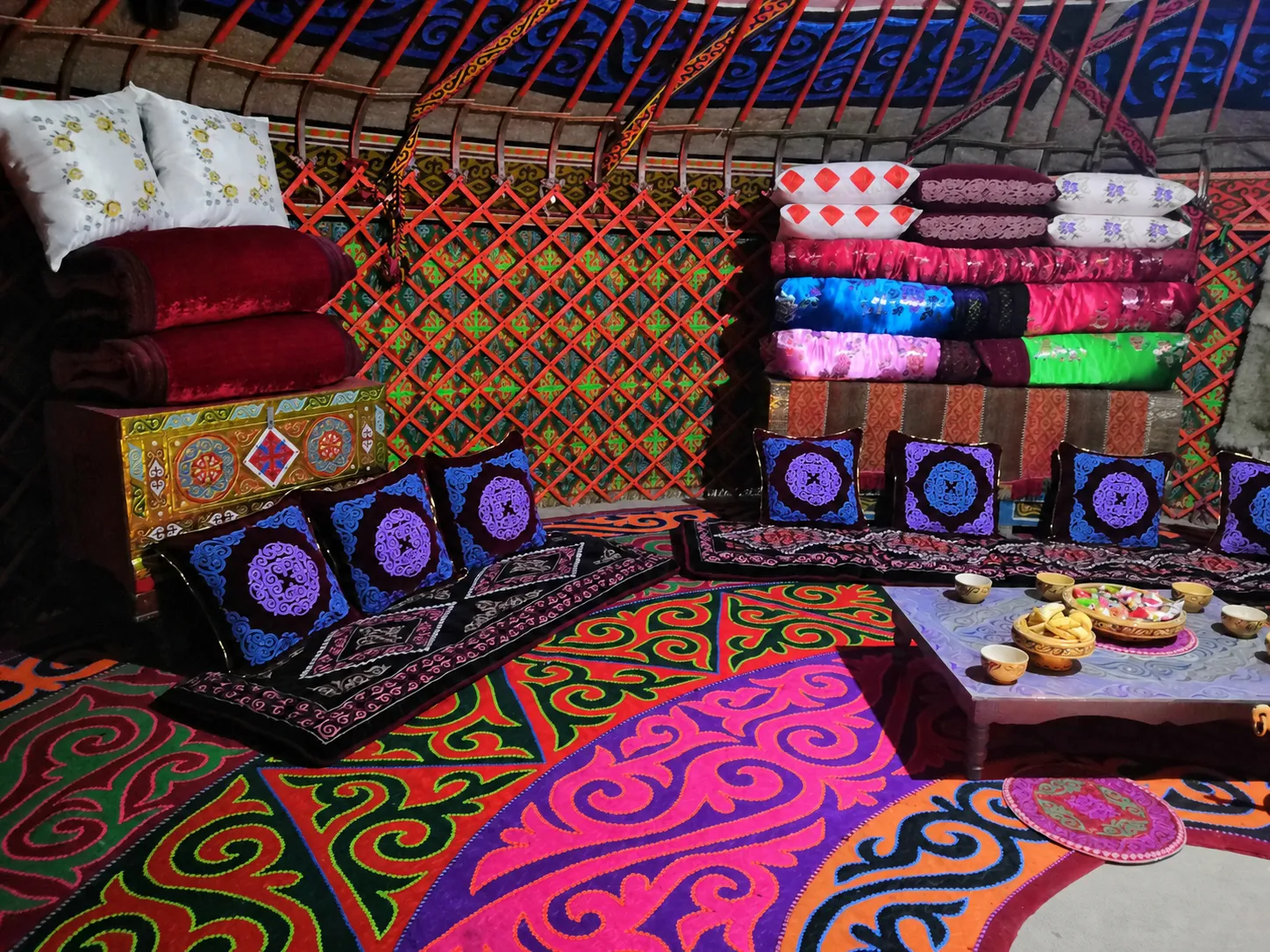
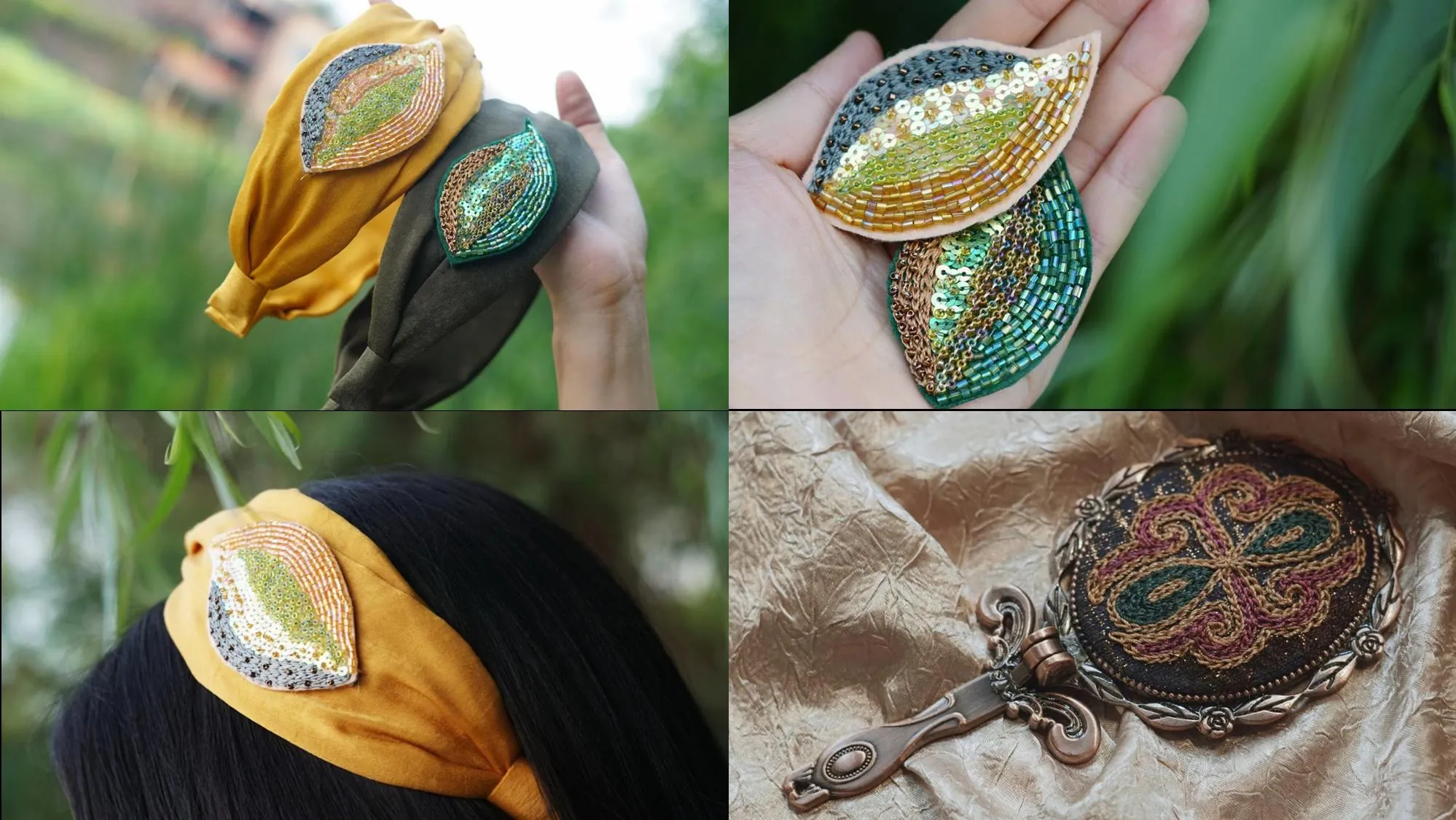
19年刚开始做哈萨克族刺绣时,我们发现国内几乎找不到相关的系统记录。直到发现了一本全日文的书——原来是一位哈萨克族外婆曾被请去日本居住了3年,日本学者将她所有的刺绣技艺做成了详尽的书籍,我们正是通过这本书找回了许多失落的历史。
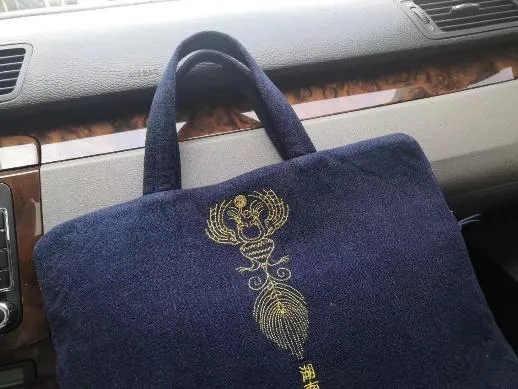
哈萨克族著名的“羊角纹”寓意保佑小羊健康成长。由于绣娘们天性随性爱自由,常常做着做着就去旅游了,我们首创了“定位刺绣”模式:将面料裁剪、标记好位置寄到山上的毡房,她们绣好后再寄回。既保留了原生态手作,又实现了质量标准化。
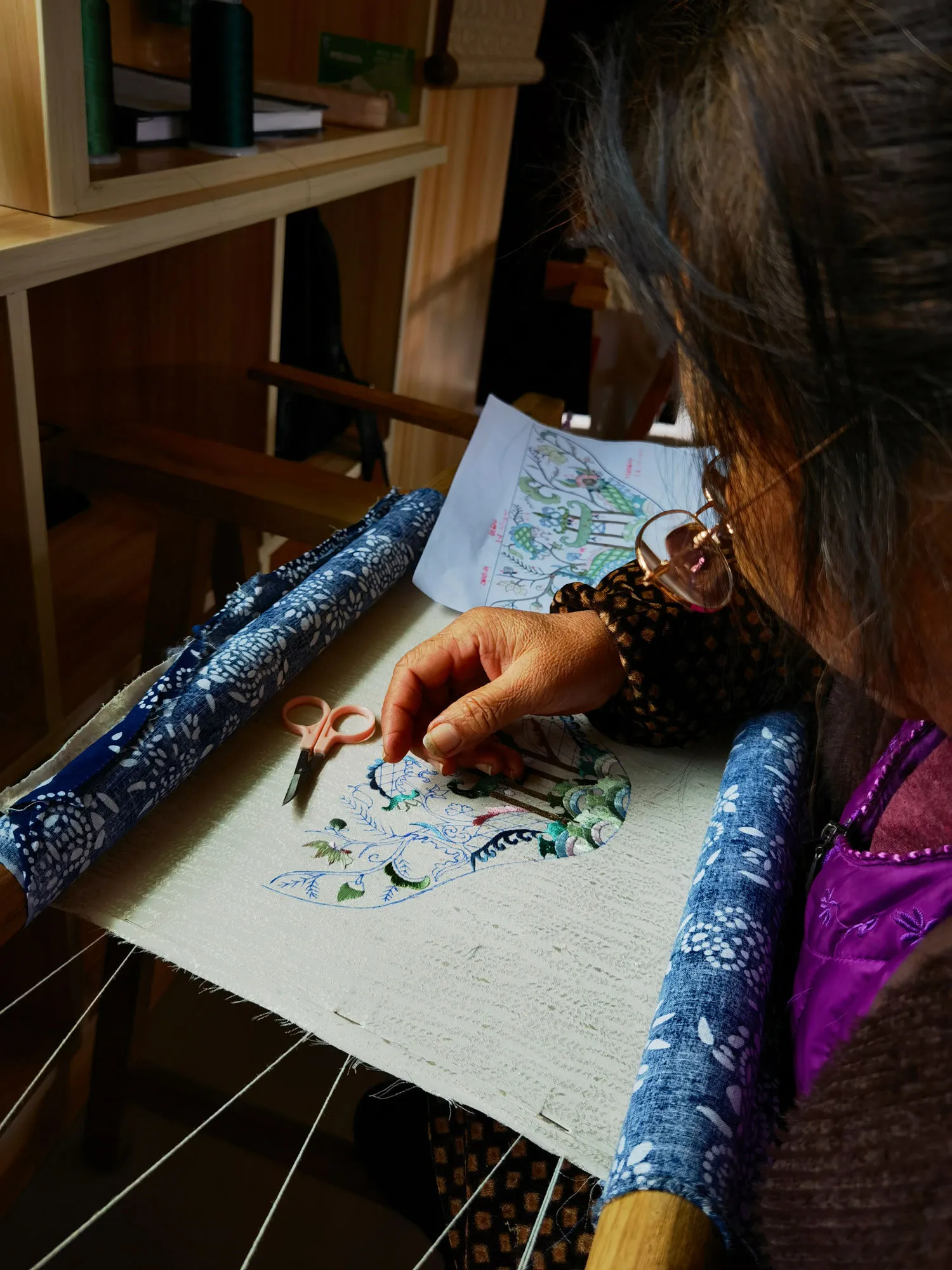
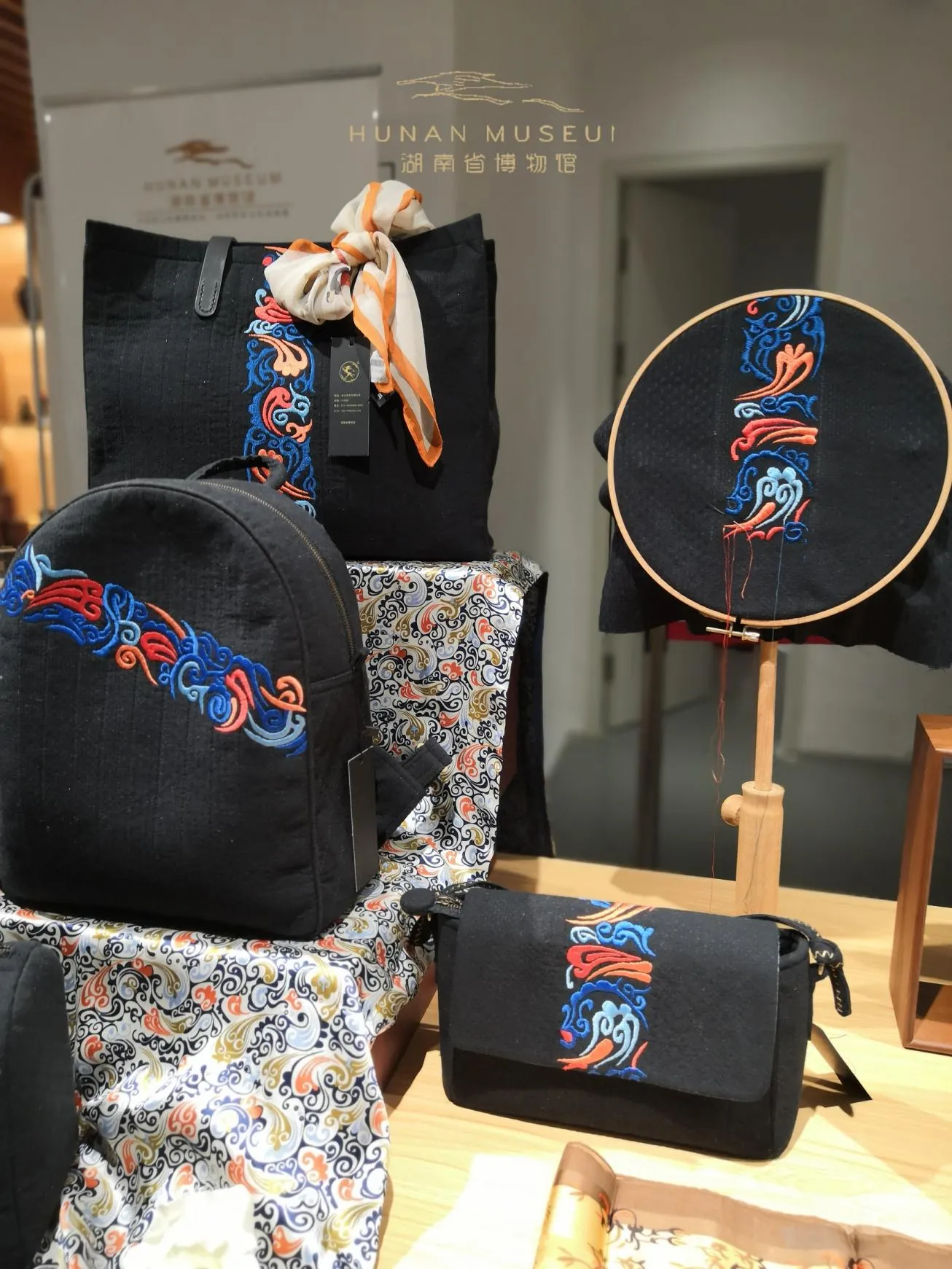
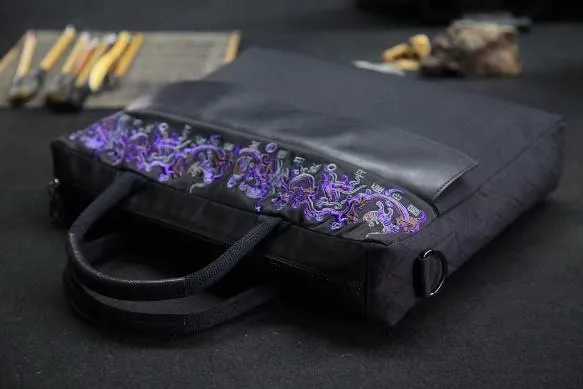
贵州的苗族是从湖南迁徙过去的,相比贵州苗绣严谨的对称几何纹,湖南苗绣更偏向手绘般的生动。我们的“丝龙织漪”系列源自一位绣娘天马行空的想象——一条头上开满鲜花的龙。
这幅绣品讲述了黄河鲤鱼跃龙门的故事,完全不用底稿,全凭绣娘心中的丘壑,展现了手工刺绣与大批量机绣截然不同的生命力。
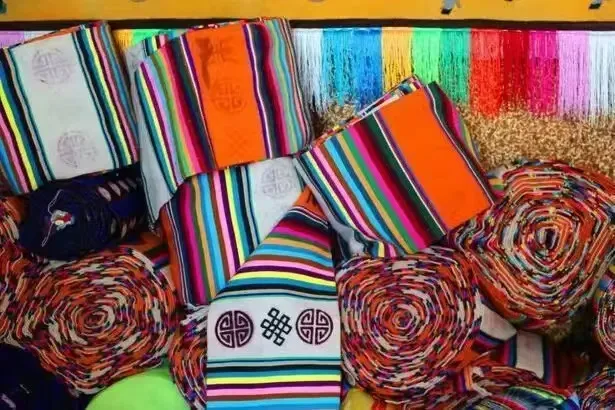
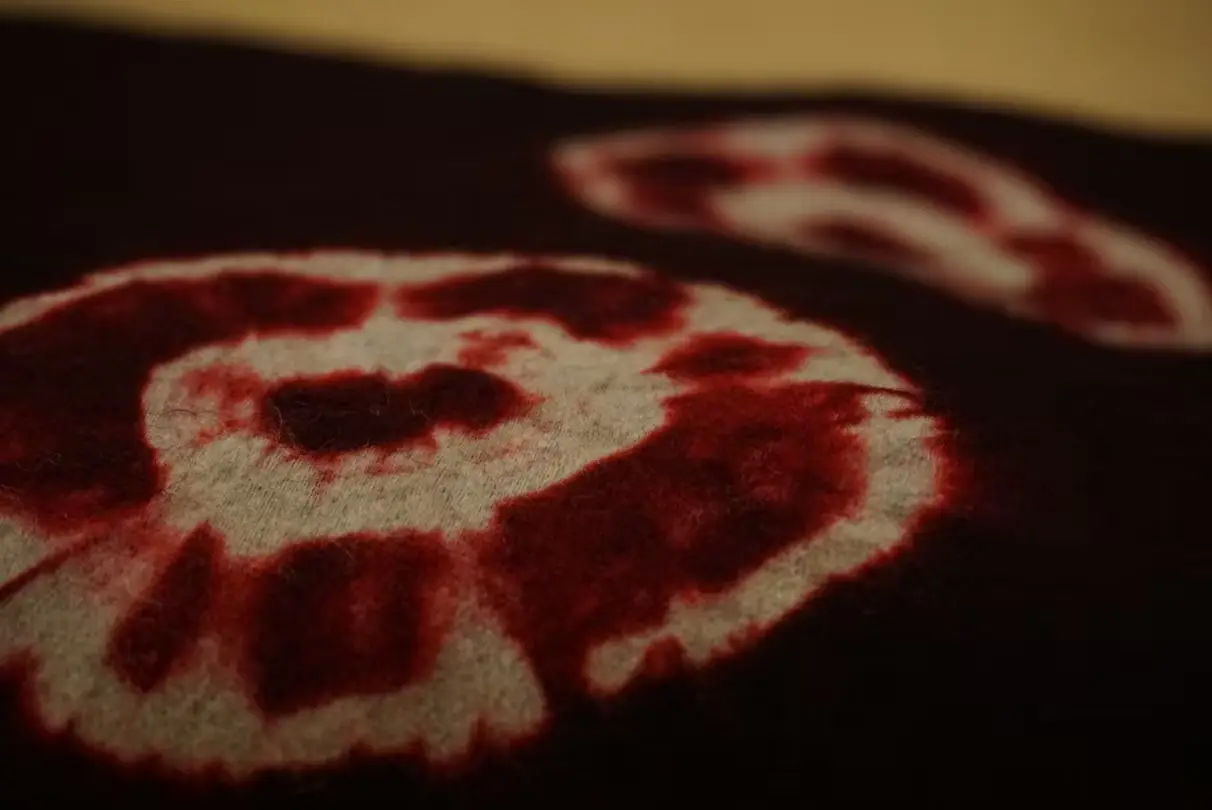
在几千年前,西藏人还只会使用动物皮毛,正是大唐文成公主随行的仕女教会了西藏人织布。这种全手工编织、染色的毛织品被称为“氆氇”。我们将其上的花纹提取再造,让这门见证了汉藏千年文化交融的工艺重焕新生。
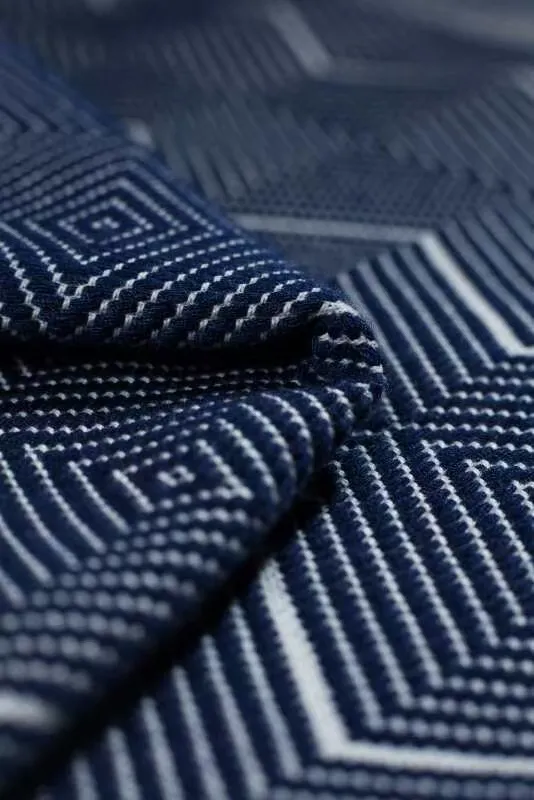
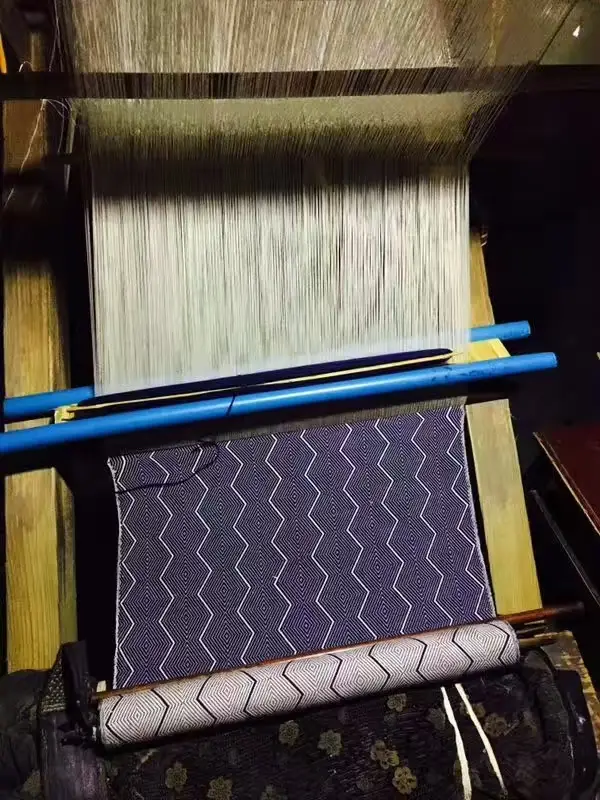
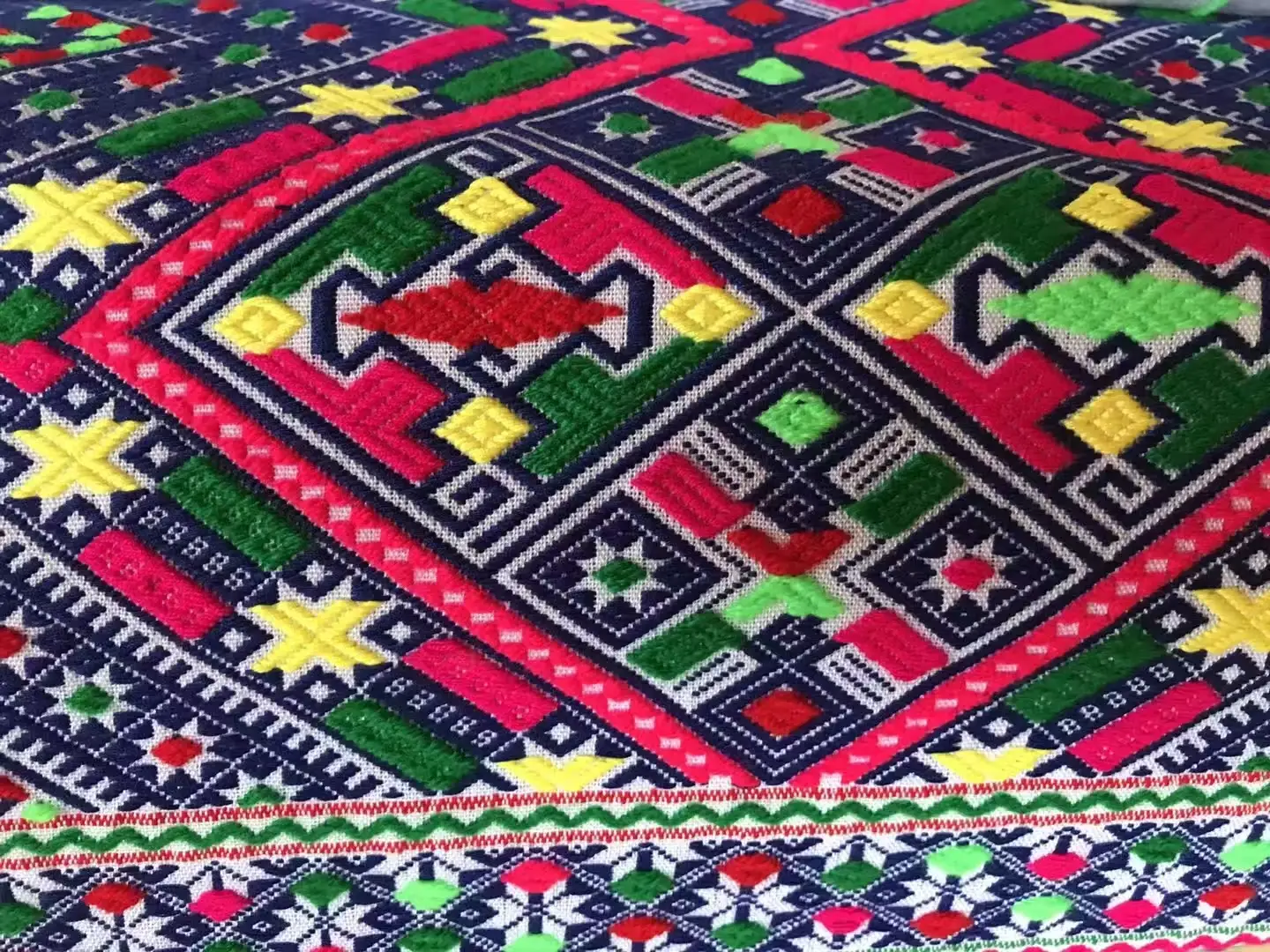
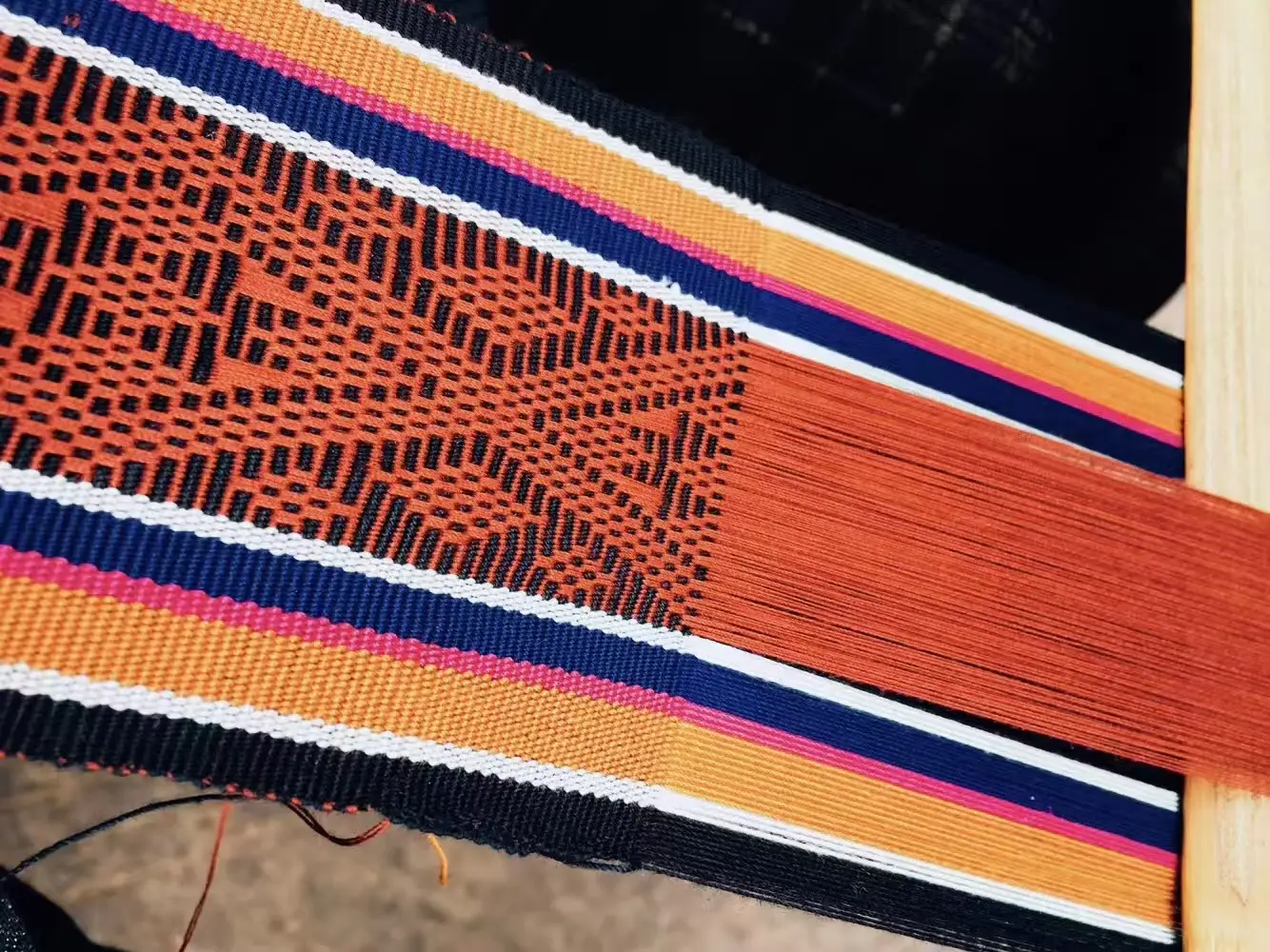
侗锦已有2000多年的历史。此款面料选用经典的“蓝白水波”几何纹样,采用天然棉线手工染织,质朴中尽显大气与秀丽。侗锦的织造极为繁杂精细,每一行需精准计算多达400根经线,仅织造一米面料就需要耗费70多个小时。云布谣将这凝聚了极致专注力的古老图腾,化作了适应现代审美的奢华包袋。
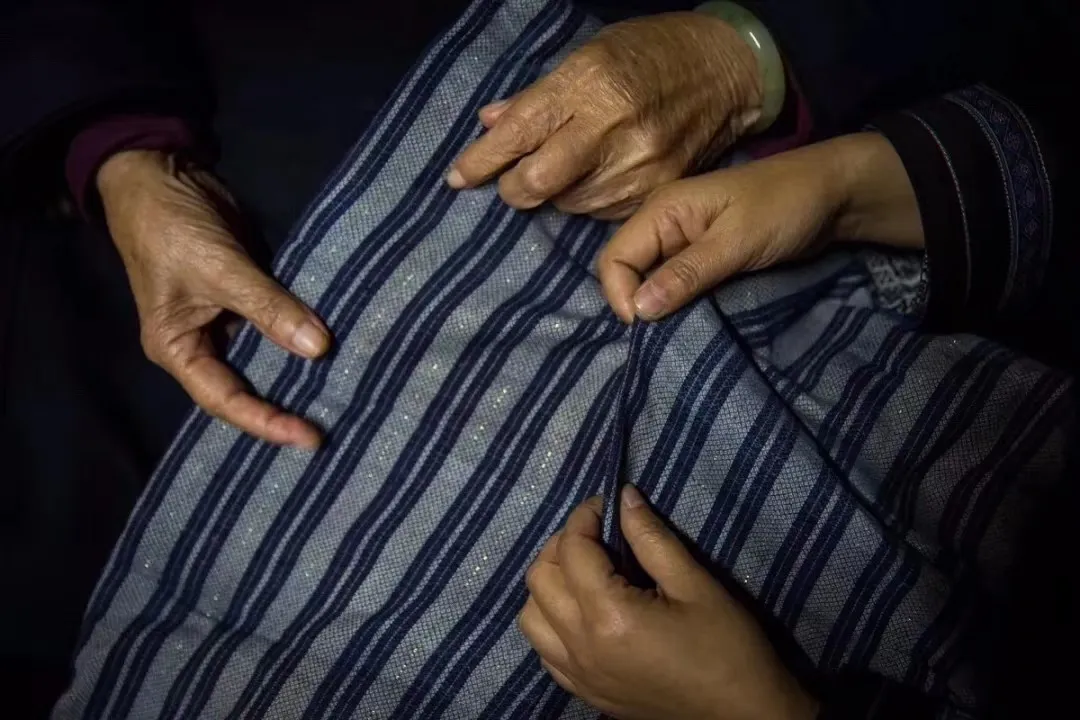
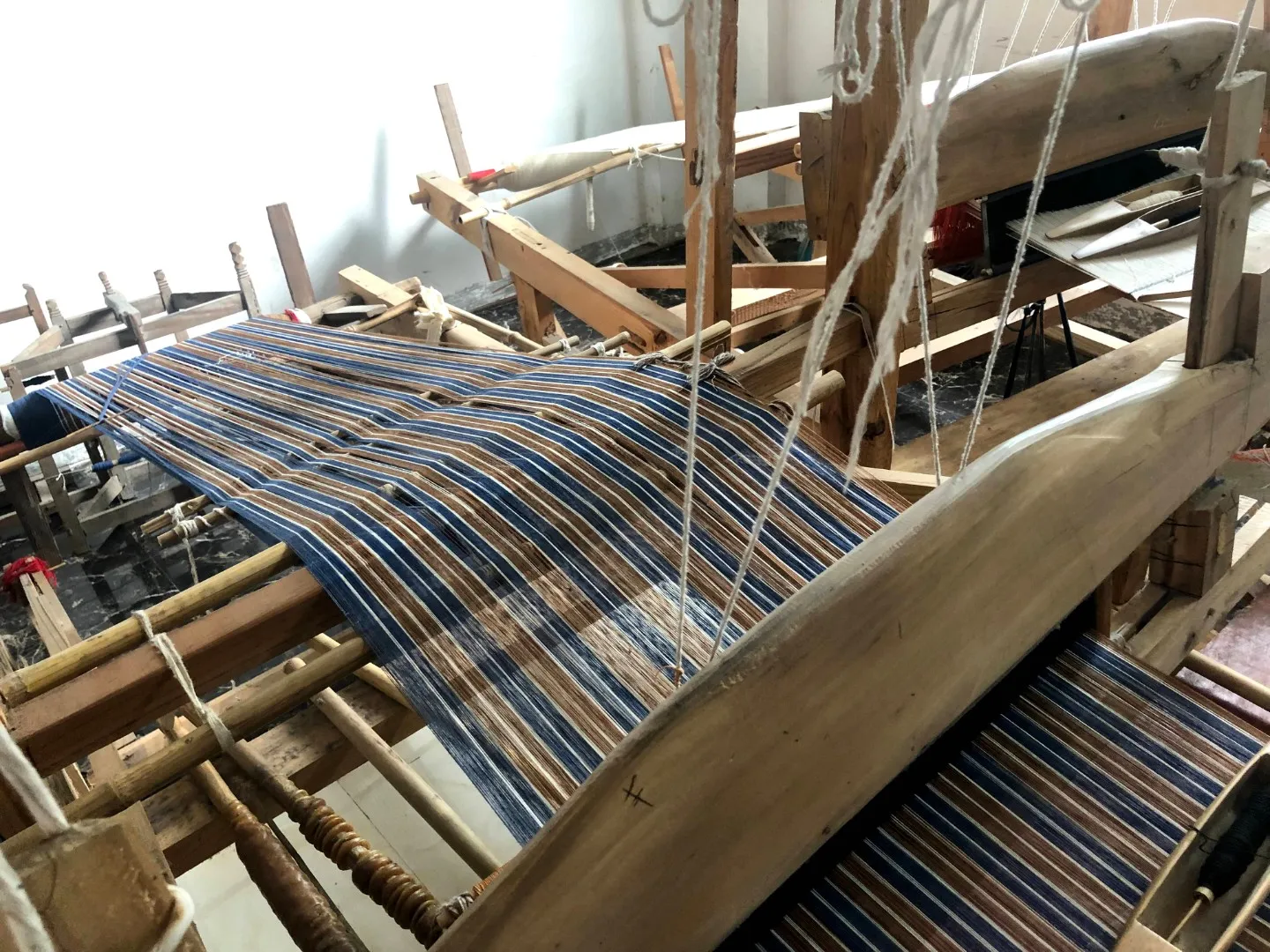
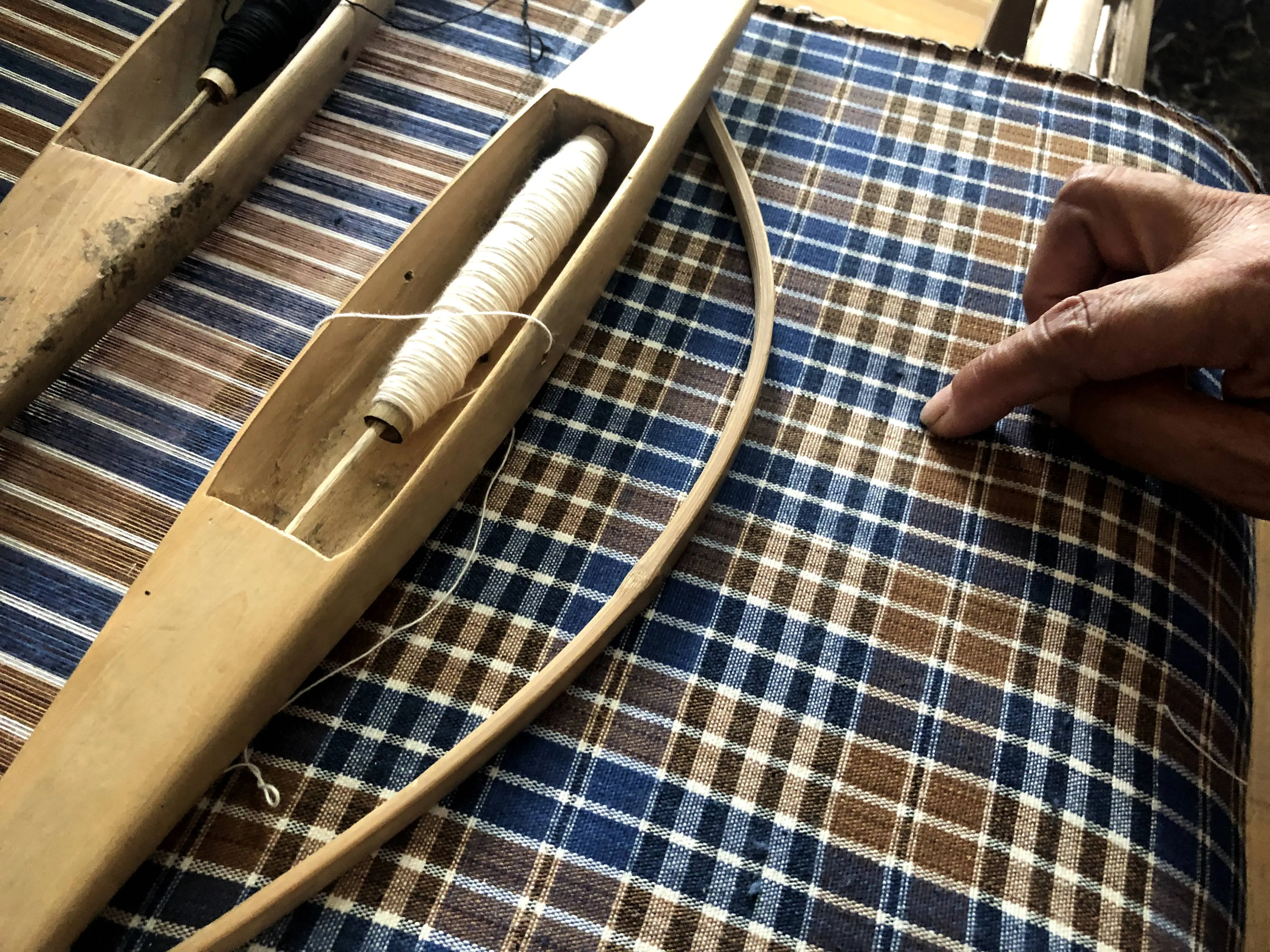
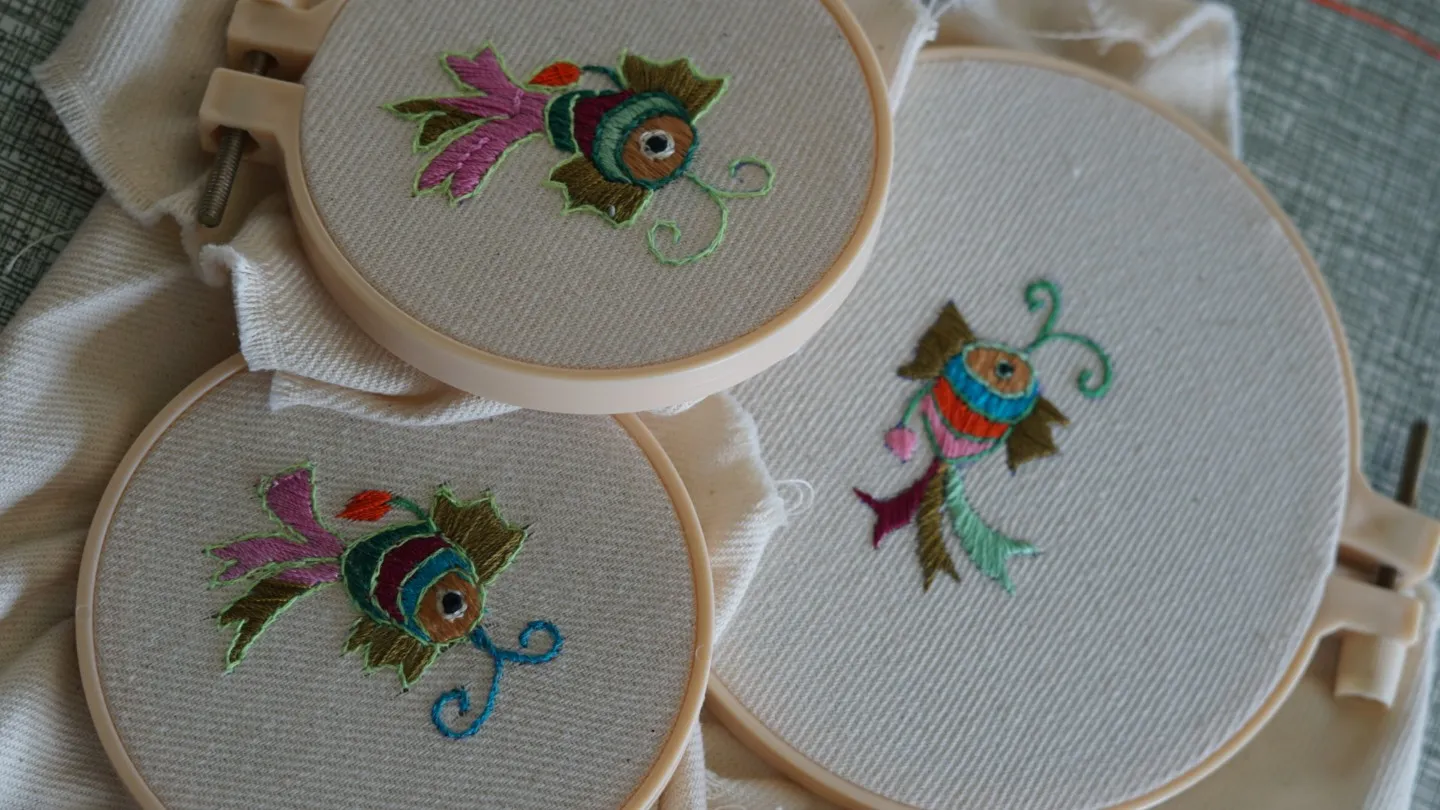
毛南族是全国仅有12万人的极少数民族,深居于贵州卡蒲乡的山林之中。他们世代自己种植棉花、纺线织布,传承着古老的技艺。
这种独特的以黑白蓝为主色调的手织布,结实又温暖,是毛南族世代相传的手艺。布本身就已经足够震撼,我们只需通过现代的包体设计,赋予其全新的功能与生命力。
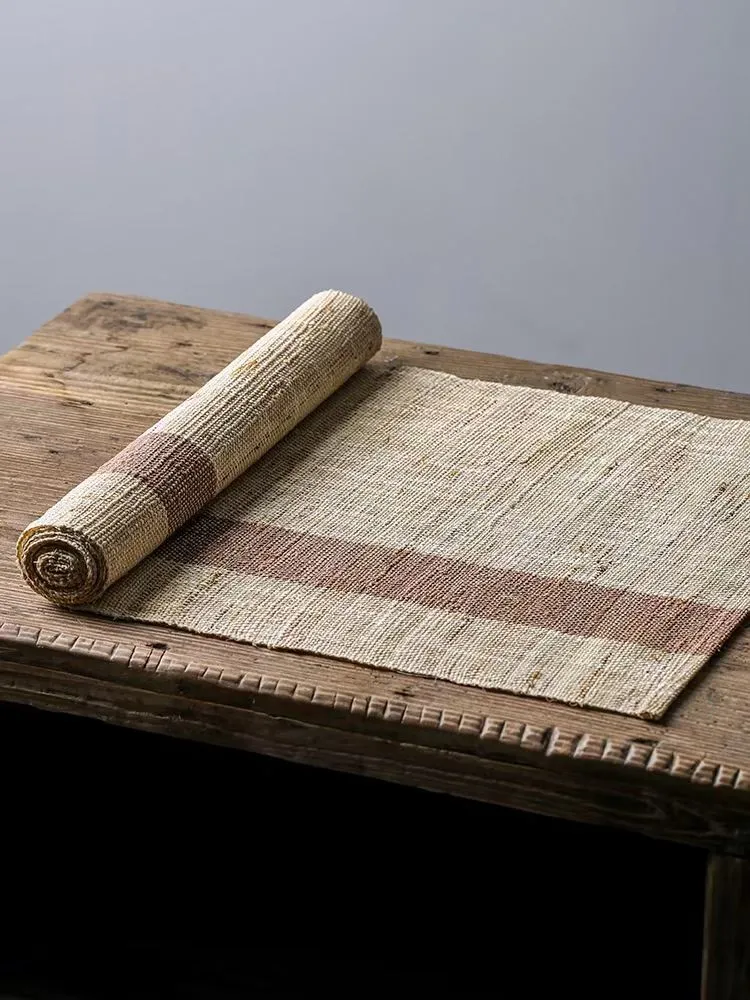
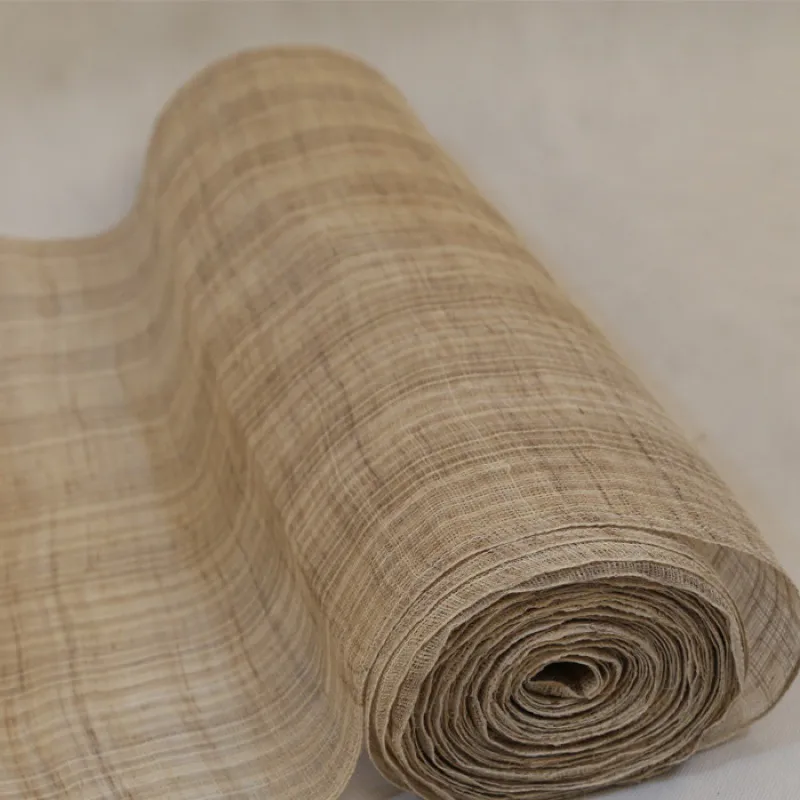
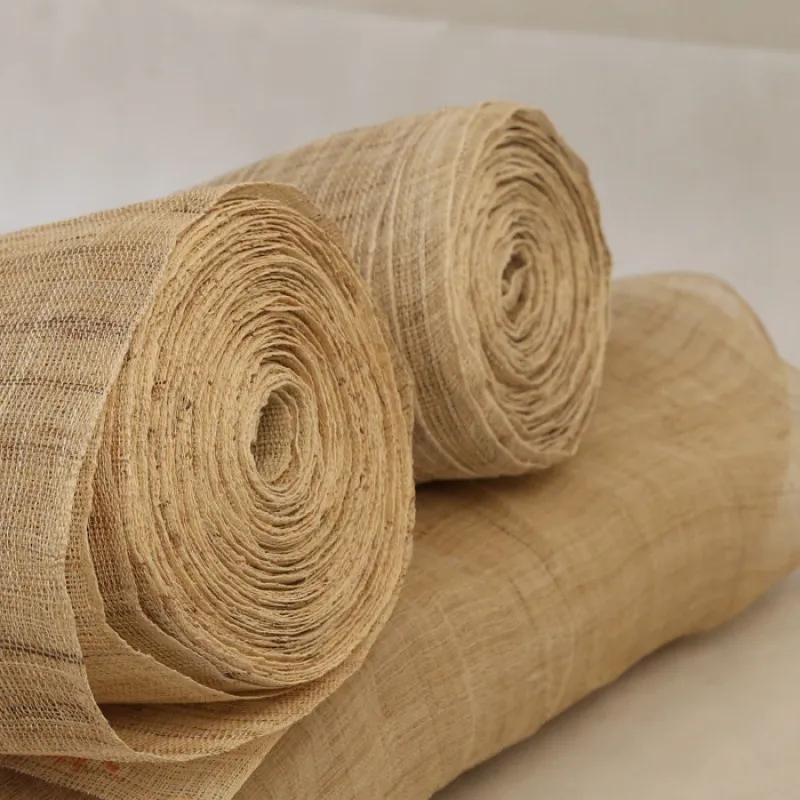
夏布起源于中国,却在日本被推向极致的奢华——在初雪这一天,将夏布铺在雪地里晒雪,极端的温差会让面料变得异常柔软且昂贵。由于日本土壤不适合种植苎麻,最好的原料依然来自中国湖南浏阳等地。云布谣正努力让这项工艺在国内重现辉煌。
 ">
">
云布谣正式创立,开启了长达数年的中国少数民族手工艺田野调查。
受邀参加法国巴黎展及迪拜展。同年响应湖南援疆号召,在新疆成立分部并建立培训基地。
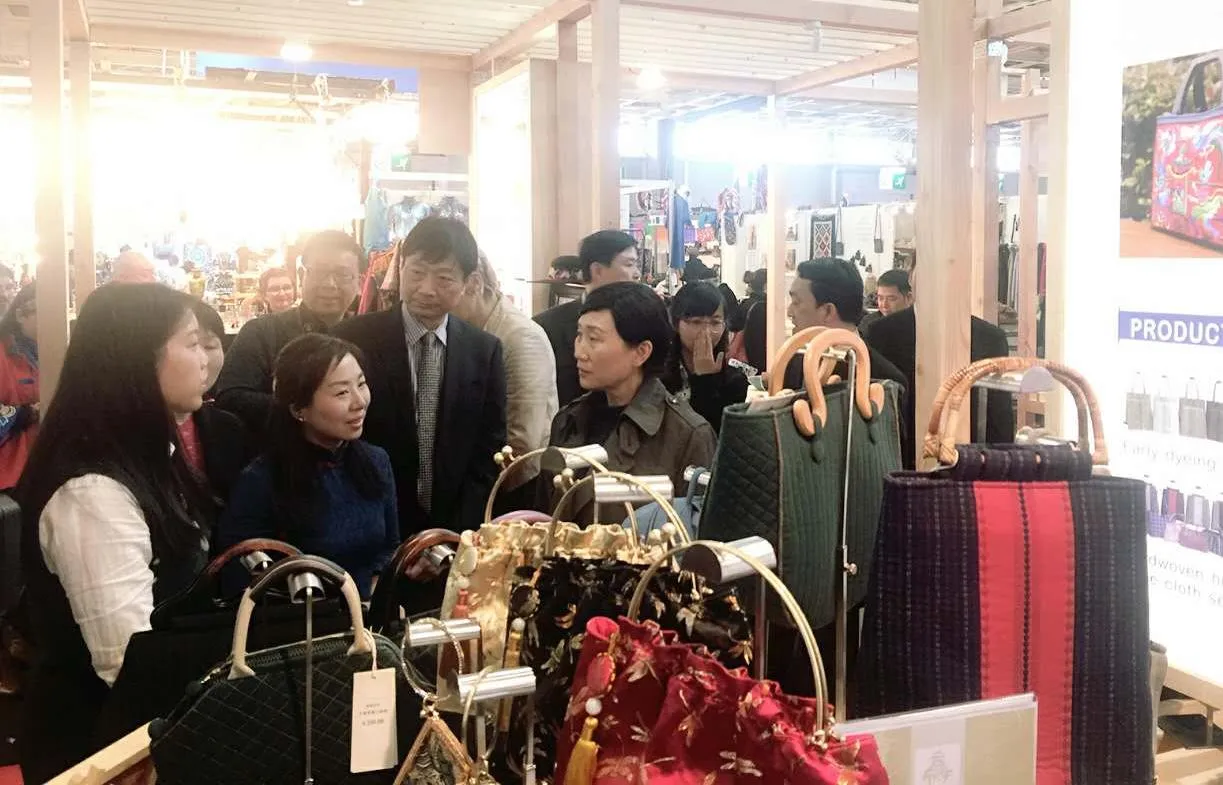
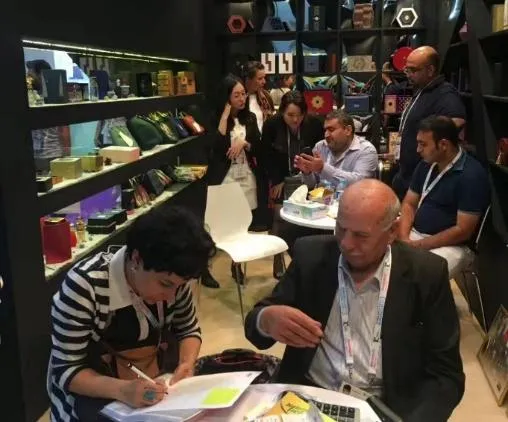
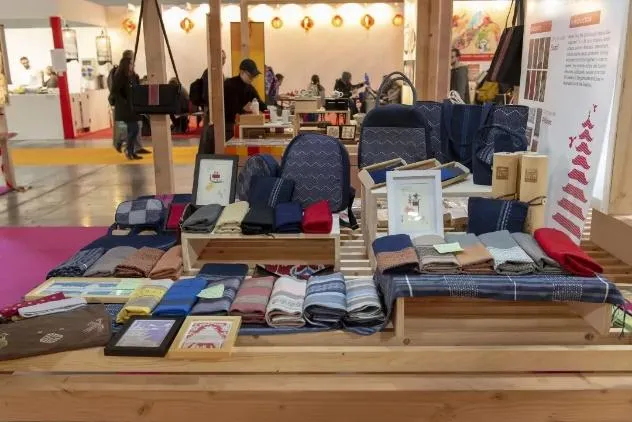
走出国门,开启美国高校路线宣讲。随后惊艳亮相意大利米兰国际手工艺展。
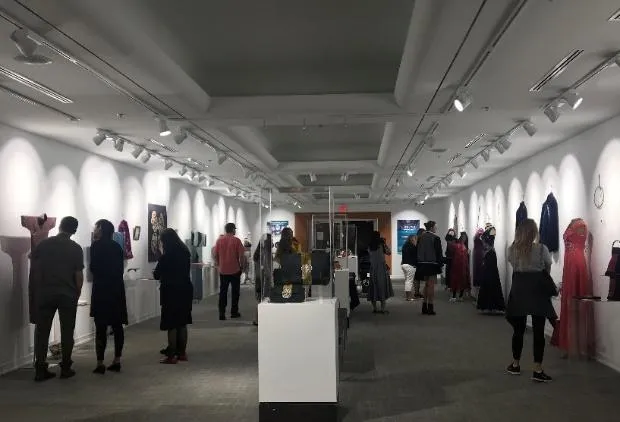
与中南大学达成战略合作。多次受到政府认可及官方媒体报道。
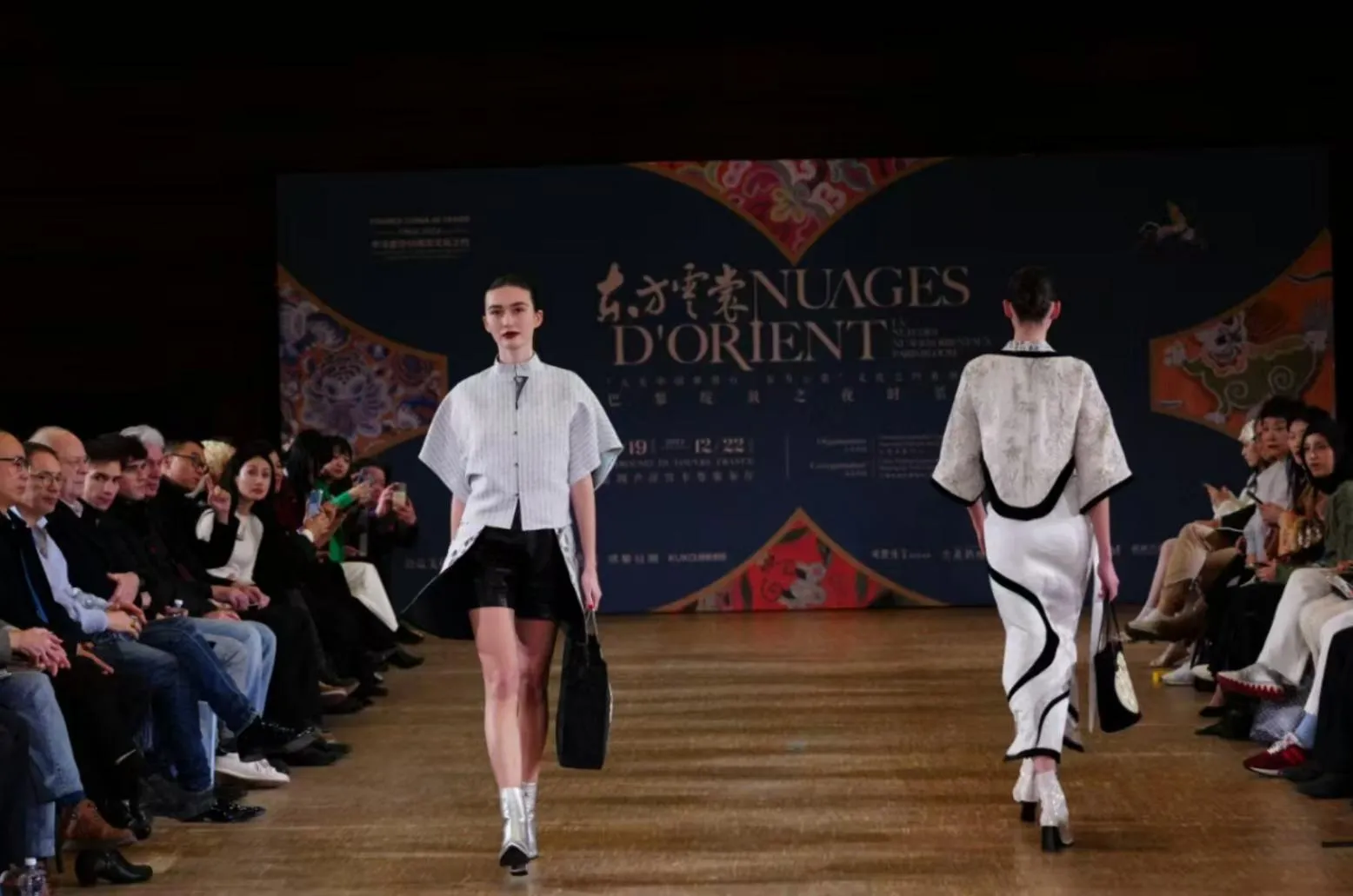
云布谣于2025年成功在法国卢浮宫举办大秀,让中国传统的织染绣真正屹立于世界时尚之巅。
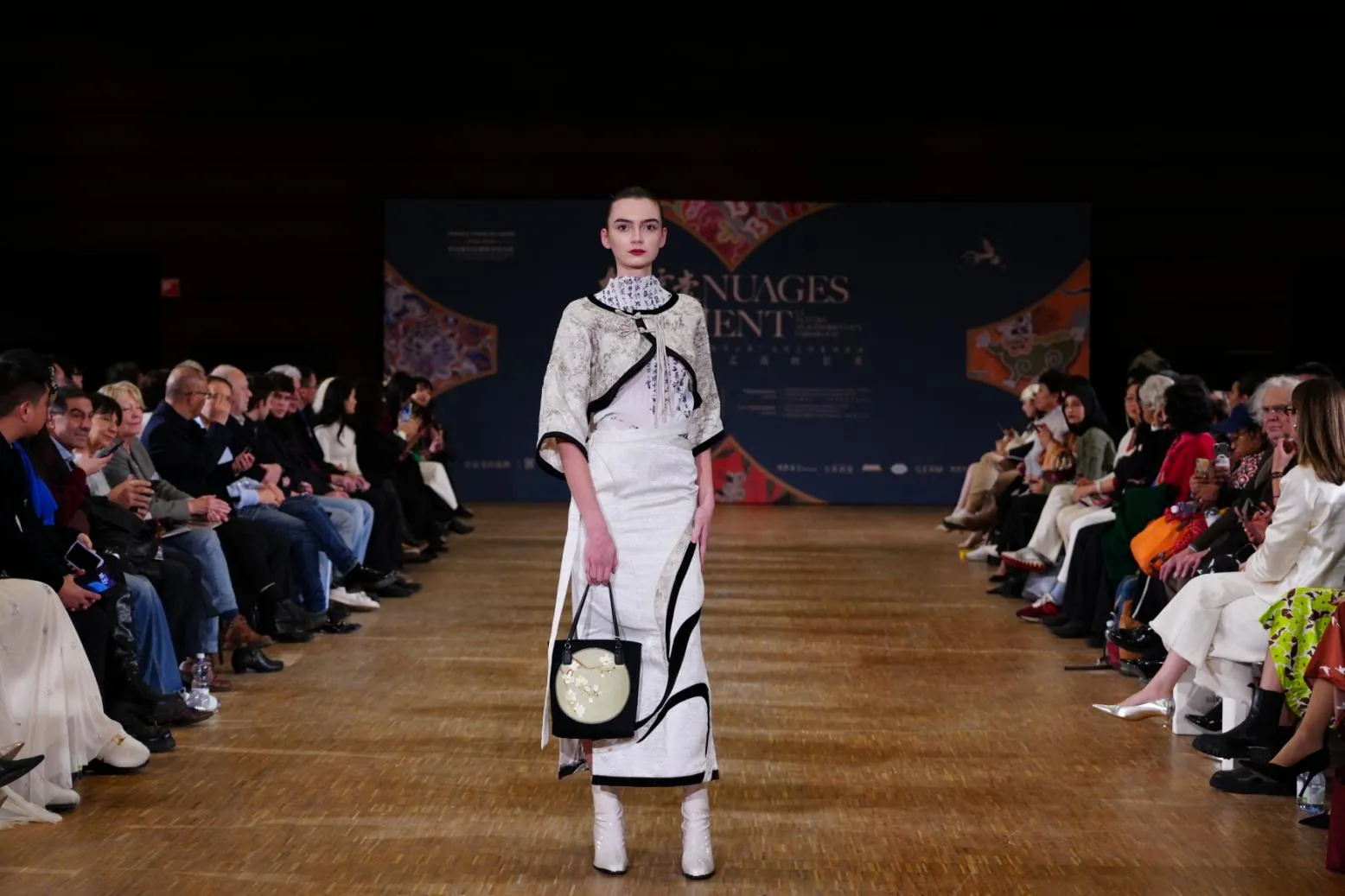
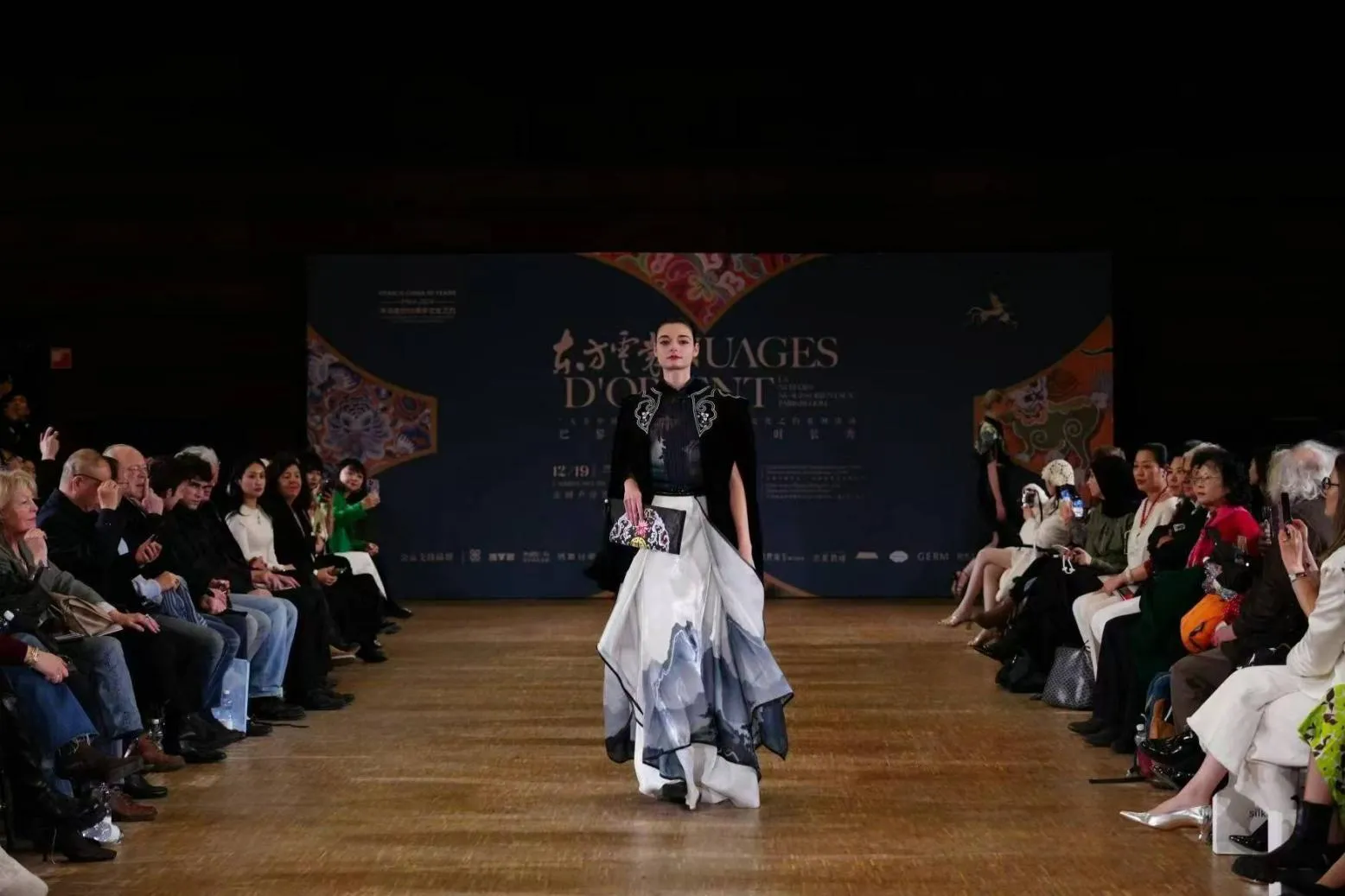
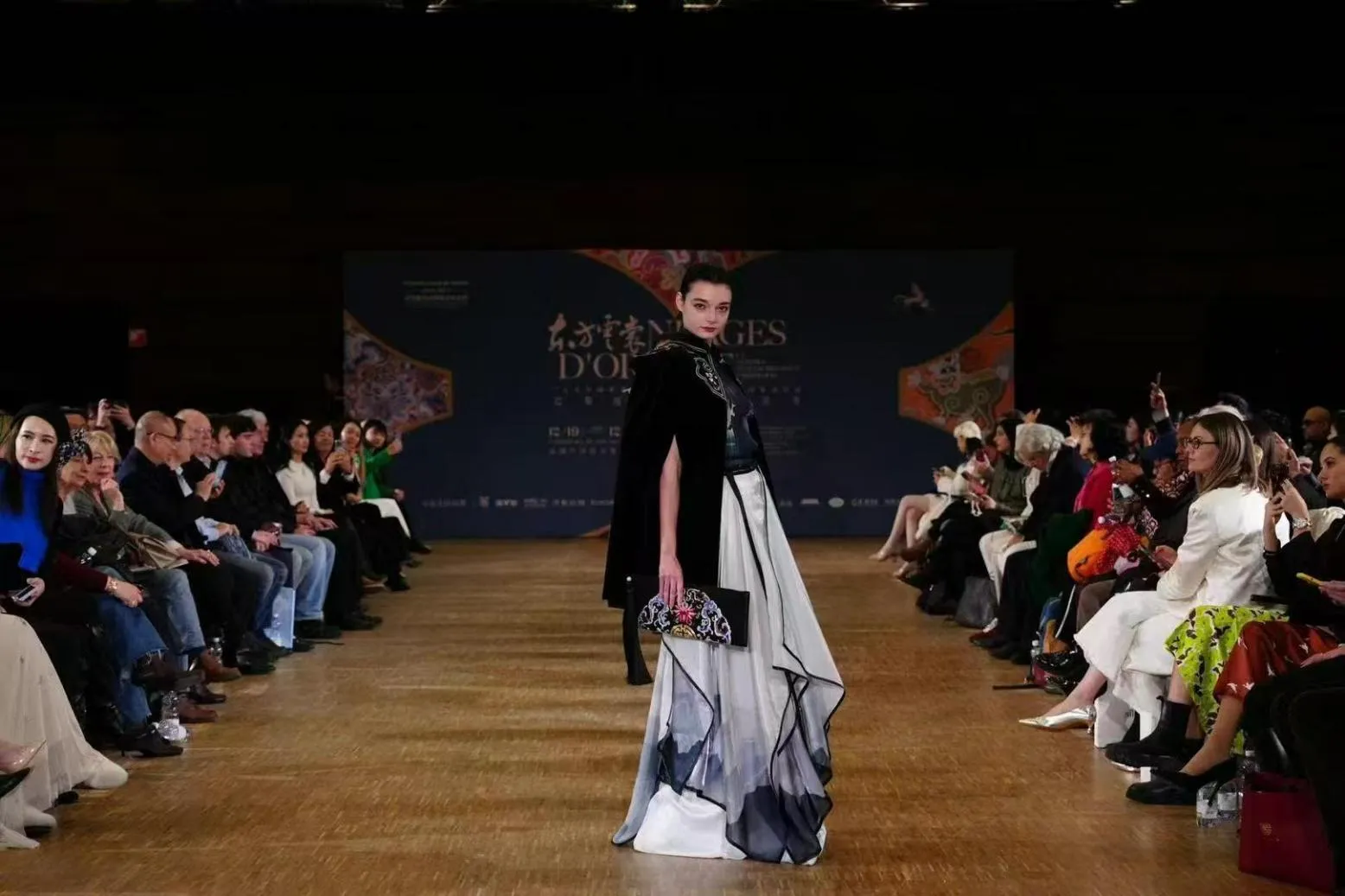
To use is the truest form of inheritance.
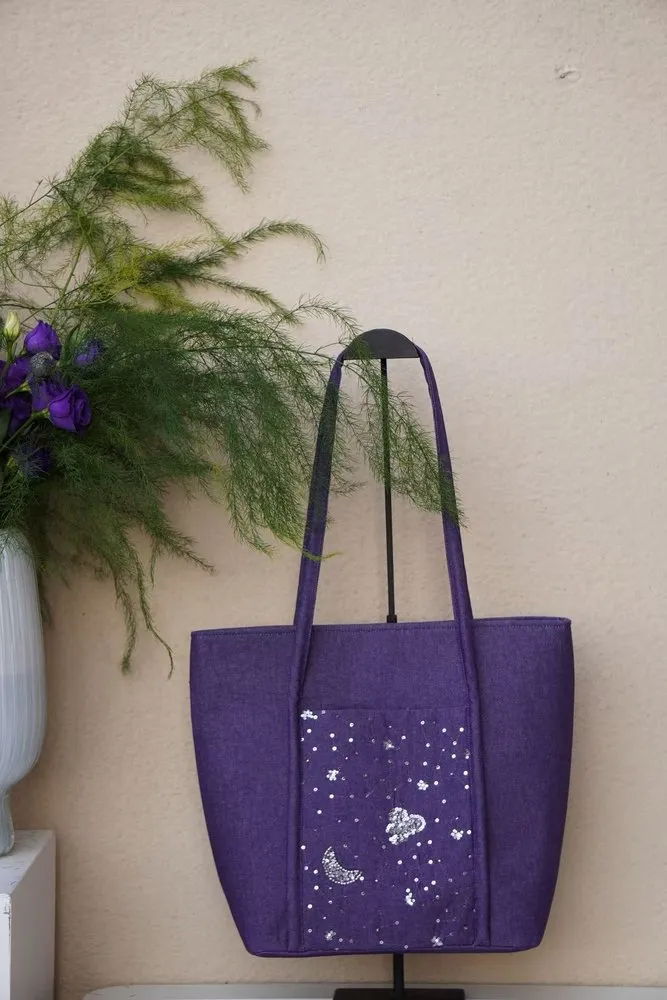
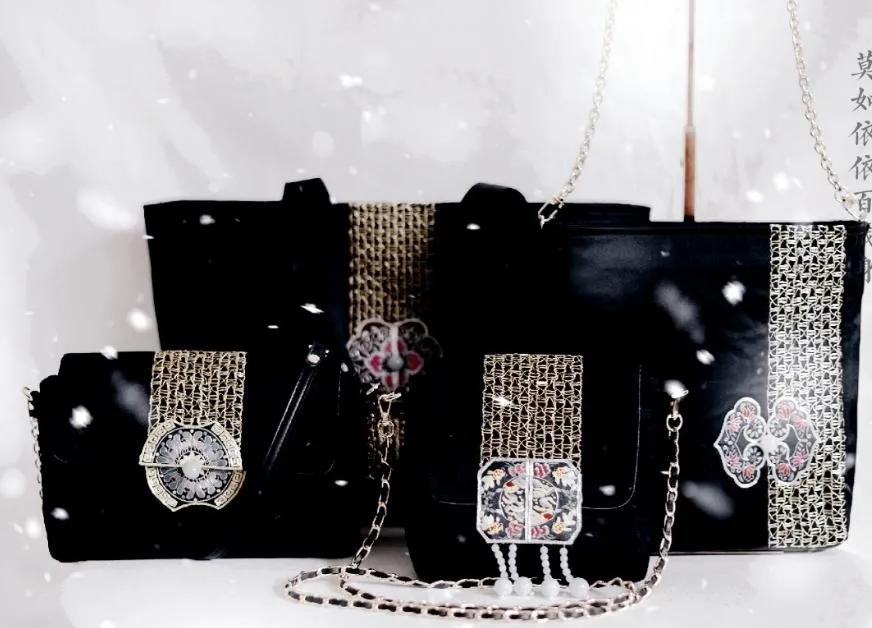
当您背起一只云布谣的包,您不仅是在使用一件现代设计品,更是带走了一段千年文明的切片。让它在您的日常生活中鲜活起来,这,就是对文明最好的守护。
探索传统手工艺系列